



Ultimate Buyer’s Guide: Dog Wheelchairs and Carts
Finding the Right Wheelchair for Your Dog After a Spinal Stroke
A note about our site:
Where possible, FCEtalk uses minimal images for easier printing
helping you create clear, practical reference guides to support your pet’s recovery journey.
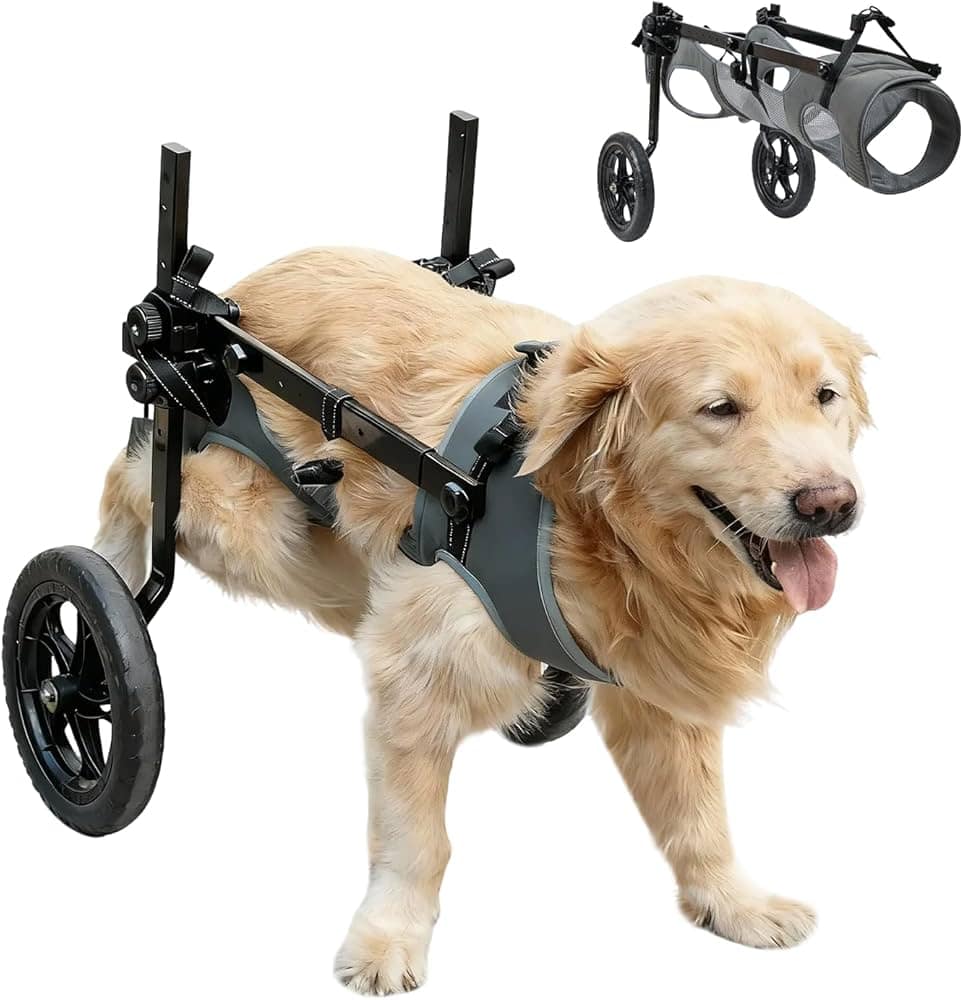
If your dog is struggling with mobility, finding the right wheelchair or cart can make a huge difference in their quality of life. But with so many options available, how do you know which one is best for your furry friend?
You want something comfortable, durable, and tailored to your dog’s specific needs. In this guide, you’ll learn exactly how to compare dog wheelchairs and carts so you can make a confident choice. By the end, you’ll understand what features matter most and how to pick the perfect mobility aid to help your dog stay active and happy.
Keep reading—your dog’s new lease on life is just a few steps away.
Types Of Dog Wheelchairs
Dog wheelchairs come in different designs to meet various mobility needs. Choosing the right type depends on your dog’s condition and which legs require support. Understanding these types helps you pick the best fit for your pet’s comfort and mobility.
Rear Leg Carts
Rear leg carts support dogs with weakness or paralysis in their back legs. These carts lift the rear body, allowing the dog to use its front legs to move. They often have two wheels and a harness that holds the dog securely. This type is common for dogs with spinal injuries or arthritis in the hind legs.
Front Leg Carts
Front leg carts help dogs with front leg weakness or injury. They support the dog’s chest and front legs, allowing the hind legs to push and steer. These carts usually have two wheels in front and a frame that fits around the dog’s chest. They are less common but useful for front leg paralysis or injury.
Full Support Carts
Full support carts assist dogs needing help with all four legs. They provide support from the chest to the rear, lifting the entire body. These carts have four wheels and a strong frame for full mobility. They are ideal for dogs with severe weakness or paralysis in both front and rear legs.
Key Features To Consider
Choosing the right dog wheelchair means focusing on key features. These features affect comfort, mobility, and safety. Understanding what to look for helps you make a better choice. Below are important aspects to consider before buying.
Adjustability And Fit
A good wheelchair must fit your dog well. Adjustable frames allow for growth or weight changes. Measure your dog’s height, length, and width carefully. Adjustable parts include the frame height, length, and harness straps. Proper fit prevents chafing and discomfort. A poorly fitting wheelchair may cause injury or limit movement.
Material And Weight
Lightweight materials improve ease of use. Aluminum is a popular choice because it is strong and light. Avoid heavy metals that tire your dog quickly. Durable materials last longer and handle rough use. Check for rust resistance, especially if your dog spends time outdoors. Soft padding adds comfort without adding weight.
Wheel Types And Terrain
Wheel type affects where your dog can go. Large wheels work better on rough or uneven ground. Smaller wheels suit smooth surfaces like indoor floors. Some wheelchairs offer all-terrain wheels for mixed surfaces. Pneumatic (air-filled) tires provide shock absorption. Hard plastic wheels are lighter but less cushioned. Consider where your dog will use the wheelchair most.
Harness And Support Systems
A strong harness supports your dog’s body safely. Look for padded harnesses to reduce pressure points. Belly belts help support the stomach and spine. Detachable harnesses allow your dog to rest without removing the wheelchair. Support systems should keep your dog stable while walking. Check for easy adjustments and secure fastenings.
Sizing Your Dog
Choosing the right size for your dog’s wheelchair is crucial. A well-fitted cart ensures comfort and mobility. Proper sizing helps prevent injuries and supports your dog’s natural movement. Take accurate measurements before selecting a wheelchair. Consider your dog’s length, height, weight, breed, and body shape. These factors determine the best fit and function for your pet’s needs.
Measuring For Length And Height
Measure your dog’s length from chest to tail base. This length guides the wheelchair’s frame size. For height, measure from the ground to the top of the shoulders. Height affects the wheel size and the wheelchair’s overall height. Use a soft tape measure and keep your dog standing. Take measurements twice for accuracy.
Weight Categories
Each wheelchair is designed for specific weight ranges. Check the manufacturer’s weight guidelines carefully. Weight affects the strength and type of materials used. Choose a wheelchair that supports your dog’s weight safely. Avoid carts that are too heavy or too light for your dog. Proper weight matching ensures stability and durability.
Breed And Body Shape Factors
Consider your dog’s breed and body shape for a perfect fit. Some breeds have broad chests or long backs that need special adjustments. Small breeds and large breeds require different frame sizes. Pay attention to unique body features like short legs or deep chests. Customizable wheelchairs may offer better support for unusual shapes.
Durability And Comfort
Durability and comfort stand as the pillars of any quality dog wheelchair or cart. A strong frame ensures safety and long-term use. Comfort helps dogs adapt quickly and move with ease. Both factors affect your pet’s happiness and mobility.
Frame Strength And Materials
Choose wheelchairs made from sturdy materials like aluminum or steel. Aluminum is light yet strong, easing your dog’s movement. Steel offers extra durability for active dogs or rough terrain. Check for rust-resistant coatings to extend the frame’s life. A solid frame supports your dog’s weight without bending or breaking.
Padding And Harness Comfort
Look for thick, soft padding on all contact points. Well-padded harnesses prevent chafing and sores. Adjustable straps help secure the dog gently but firmly. Removable pads make cleaning simple and quick. Comfort in the harness lets your dog stay relaxed and active longer.
Breathability And Skin Protection
Materials that breathe reduce sweat and heat buildup. Mesh fabric or ventilated padding keeps skin dry and cool. Avoid tight areas that trap moisture or cause rubbing. Skin protection prevents irritation and infections. Choose designs that balance support with airflow for healthy skin.
Mobility And Maneuverability
Mobility and maneuverability are key factors when choosing a dog wheelchair or cart. A wheelchair that moves smoothly and easily helps your dog regain independence. It also supports a better quality of life. Understanding these aspects ensures you pick the right device for your dog’s needs.
Wheel Size And Type
Wheel size affects how easily your dog can move. Larger wheels roll over obstacles better and provide smoother rides. Smaller wheels work well on flat surfaces and in tight spaces. The wheel type matters too. Air-filled tires offer shock absorption, making walks more comfortable. Solid wheels are durable and require less maintenance.
Terrain Compatibility
Think about where your dog will use the wheelchair. Some carts work best on pavement or indoor floors. Others handle grass, gravel, or dirt paths well. Terrain compatibility ensures your dog won’t get stuck or struggle. Choose a wheelchair designed to match your usual walking surfaces for better control and safety.
Stability And Balance
Stability keeps your dog steady while moving. A well-balanced wheelchair prevents tipping and helps with confidence. Look for carts with adjustable frames to fit your dog’s body shape. Proper balance also reduces strain on your dog’s joints and muscles. This support aids in smoother, safer movement throughout the day.
Customization Options
Customization options play a key role in choosing the right dog wheelchair. Each dog has unique needs, sizes, and mobility challenges. Customizable carts help provide better comfort and support. They improve the dog’s ability to move and enjoy daily activities. Understanding the customization features helps owners make informed decisions. Here is a breakdown of important customization aspects to consider.
Adjustable Features
Adjustable features allow the wheelchair to fit different dog sizes and shapes. Height, length, and width can often be changed. This ensures the cart suits the dog’s body perfectly. Adjustable harnesses and straps provide secure support. Wheels with adjustable angles improve balance and movement on various surfaces. These features make the wheelchair adaptable as the dog grows or recovers.
Custom Builds Vs Off-the-shelf
Custom-built wheelchairs are made to fit the exact measurements of a dog. They offer the best comfort and support. These carts can address specific mobility issues. Off-the-shelf models come in standard sizes and shapes. They work well for many dogs but may need adjustments. Custom builds usually cost more but provide a perfect fit. Off-the-shelf options are more affordable and quicker to get.
Additional Accessories
Accessories enhance the wheelchair’s functionality and the dog’s comfort. Padded harnesses and belly belts add extra support. Weather covers protect the dog from rain and cold. Storage bags hold essentials during walks. Reflective strips increase visibility during evening outings. Some wheelchairs have attachable seats or trays for resting. These add-ons help tailor the wheelchair to the dog’s lifestyle.
Price And Value
Choosing a dog wheelchair involves balancing price and value. Understanding costs helps find the best fit for your pet and budget. Price varies by size, materials, and features. Value means getting quality that supports your dog’s mobility and comfort.
Budget Considerations
Set a budget before shopping for dog wheelchairs. Basic models cost less but may lack extra support. Premium carts offer durability and comfort but come at a higher price. Think about how often your dog will use the wheelchair. Choose one that fits your budget without sacrificing essential features.
Warranty And Support
Check if the wheelchair includes a warranty. A good warranty covers defects and damages. It shows the manufacturer’s confidence in their product. Also, consider customer support availability. Responsive support helps with adjustments and repairs. This adds value beyond the initial purchase price.
Long-term Investment
A wheelchair is a long-term investment in your dog’s quality of life. Durable materials reduce replacement costs over time. Adjustable designs grow with your dog or adapt to changing needs. Investing in a reliable wheelchair can save money on vet visits and improve your dog’s happiness.
Veterinarian Recommendations
Veterinarian recommendations play a vital role when choosing a wheelchair or cart for your dog. Vets provide expert advice to ensure your dog gains maximum comfort and mobility. Their guidance helps avoid mistakes that could cause discomfort or injury. Consulting a veterinarian ensures your dog’s health needs come first.
When To Use A Wheelchair
Veterinarians suggest dog wheelchairs for various conditions. Dogs with paralysis, arthritis, or injury may benefit. Wheelchairs support dogs who struggle to walk or stand. Early use can prevent muscle loss and improve quality of life. Vets evaluate if a wheelchair suits your dog’s specific condition.
Consultation And Fitting
Proper fitting is essential for dog wheelchairs to work well. Veterinarians measure your dog’s size and weight carefully. They recommend wheelchairs that match your dog’s shape and needs. A good fit avoids sores and discomfort. Vets may adjust the wheelchair after initial use to ensure comfort.
Physical Therapy Integration
Wheelchairs work best combined with physical therapy. Vets often suggest exercises to strengthen muscles and improve movement. Physical therapy helps dogs adapt to the wheelchair faster. It supports overall rehabilitation and recovery. Vets monitor progress and adjust therapy as needed for best results.
User Reviews And Testimonials
User reviews and testimonials provide honest insights about dog wheelchairs and carts. They reveal how these devices work in everyday life. Reading real owner experiences helps to understand comfort, durability, and usability. This section highlights what pet owners appreciate and what issues they face. It also points out popular brands and models favored by users.
Real Owner Experiences
Many dog owners share their stories online. They describe their pet’s adjustment period and mobility improvements. Some mention how the wheelchair gave their dog freedom to move again. Others talk about ease of assembly and lightweight design. These firsthand accounts help new buyers set realistic expectations.
Owners often discuss the fit of the wheelchair. A proper fit prevents chafing and discomfort. Some describe customizing straps or padding for better support. Others share tips on training dogs to use the cart safely. Such details are valuable before purchasing.
Common Praise And Complaints
Users commonly praise the strong frame and smooth wheels. Many appreciate adjustable features that suit different dog sizes. Comfortable harnesses and belly belts receive frequent positive mentions. These parts reduce pressure and improve walking balance.
Complaints often focus on wheel durability on rough terrain. Some owners find certain models too heavy for small dogs. Issues with sizing and strap looseness appear in reviews too. These complaints guide buyers to choose models matching their dog’s needs.
Top Brands And Models
Popular brands include Eddie’s Wheels, K9 Carts, and AOC Pet. Eddie’s Wheels is praised for custom options and sturdy build. K9 Carts often receive high marks for comfort and fit. AOC Pet stands out for lightweight aluminum frames.
Models with adjustable height and width tend to get better reviews. Wheelchairs designed specifically for rear leg support are favored by many. Reading user feedback on these brands helps find reliable, well-rated dog wheelchairs.
Diy Vs Professional Wheelchairs
Choosing between a DIY dog wheelchair and a professional one is important. Each option has unique advantages and challenges. Understanding these can help you make the best choice for your dog’s mobility needs.
Benefits Of Diy Solutions
DIY wheelchairs can be budget-friendly. You can customize the design to fit your dog’s size. Materials are often easy to find at home or local stores. Building a wheelchair yourself allows quick repairs and adjustments. It also offers a chance to learn about your dog’s needs closely. Many pet owners find satisfaction in creating a solution personally.
Risks And Limitations
DIY wheelchairs may lack durability. Poor design might cause discomfort or injury. They often miss proper support for sensitive areas. Wheels and frames might not handle rough terrain well. Incorrect measurements can lead to poor fit and reduced mobility. Without expert guidance, these risks increase significantly. Safety should always be the top priority.
When To Choose Professional Devices
Professional wheelchairs provide expert design and build quality. They use strong, lightweight materials for comfort and durability. These devices offer better fit with precise measurements. Professionals ensure support for your dog’s specific condition. They can recommend the best wheelchair type and features. Professional carts often come with warranties and customer support. Choose professional devices for long-term, safe mobility solutions.
Maintaining And Caring For Wheelchairs
Proper maintenance and care of your dog’s wheelchair ensure it lasts longer and works well. Regular attention keeps the device safe and comfortable for your pet. Cleanliness, routine checks, and correct storage are key parts of caring for the wheelchair.
Cleaning Tips
Clean the wheelchair after every use to remove dirt and debris. Use a damp cloth with mild soap to wipe the frame and wheels. Avoid harsh chemicals that can damage the materials. Dry all parts thoroughly to prevent rust and mold. Clean the harness and padding regularly to keep them fresh and odor-free.
Routine Checks And Repairs
Inspect the wheelchair before each use for loose bolts or worn parts. Check the wheels for proper inflation and smooth rotation. Tighten any screws or nuts that feel loose. Replace worn-out parts immediately to avoid accidents. Make sure the harness fits well and shows no signs of wear or tearing.
Storage Guidelines
Store the wheelchair in a dry, cool place away from direct sunlight. Avoid damp areas to prevent rust and mold growth. Keep the wheelchair off the ground to avoid damage. Cover the device with a cloth or plastic cover to protect it from dust. Store the harness separately if it gets wet to dry properly.
Frequently Asked Questions
What To Look For In A Dog Wheelchair?
Choose a lightweight, durable frame with adjustable height and length. Ensure padded harnesses and belly support for comfort. Select wheels suitable for your dog’s typical terrain. Confirm proper fit by measuring your dog accurately. Prioritize ease of use and safety features for optimal mobility.
What Is The Best Wheelchair For A Dog?
The best wheelchair for a dog fits its size, supports mobility, offers comfort, and suits activity level and terrain.
What Are The Different Types Of Dog Wheelchairs?
Dog wheelchairs include rear-leg support carts, front-leg support carts, and full-support carts. They vary by adjustability, wheel type, and weight capacity.
Do Vets Recommend Dog Wheelchairs?
Vets often recommend dog wheelchairs to improve mobility and quality of life for dogs with paralysis or injuries. They support exercise and independence safely. Proper fitting and veterinary guidance ensure the best outcomes for the dog’s health and comfort.
Conclusion
Choosing the right dog wheelchair takes careful thought and comparison. Focus on comfort, size, and support features. Consider your dog’s weight, activity, and terrain needs. Lightweight materials and adjustable parts help with fit and ease of use. Always prioritize your dog’s mobility and happiness.
With the right cart, your dog can enjoy more freedom and better quality of life. Take your time, compare options, and pick what suits your furry friend best.
Related Articles:
- Bringing Your Dog Home After FCEBring your dog home after FCE with confidence using practical advice on preparation, recovery, equipment, and supporting every step of healing.
- How Vets Diagnose FCE (Fibrocartilaginous Embolism)Understanding how veterinarians diagnose FCE can reduce uncertainty, explain each test, and help you feel more confident throughout your dog’s recovery journey.
- Dog Crates and Playpens for FCE recoveryIf your vet has recommended that they need a safe, cozy space to relax, recovery crates can be helpful in the right circumstance.
- The Best Playpens for FCE recovery in 2026If you’re searching for a dog crate that looks more like beautiful furniture than traditional pet equipment, you’re not alone.
- The Best Dog Crates for FCE recovery in 2026If you’re searching for a dog crate that looks more like beautiful furniture than traditional pet equipment, you’re not alone.
The information on FCEtalk is for educational purposes, uses the assistance of AI and is not a substitute for professional veterinary advice. Always consult your veterinarian about your pet’s health and recovery. Where clearly identified as professional content, it is still intended to support – not replace – your own veterinary team’s care.
Disclosure: Our website contains affiliate links. If you purchase through these links, FCEtalk may earn a small commission at no additional cost to you. This helps support our free educational resources and community.

Learn More About FCE
At FCE talk, we explore everything you need to know about Fibrocartilaginous Embolism (FCE) in dogs,
including symptoms, diagnosis, treatment, and recovery.