



FCE Recovery Timeline
You’re probably asking one question: How long will this last?
A note about our site:
Where possible, FCEtalk uses minimal images for easier printing
helping you create clear, practical reference guides to support your pet’s recovery journey.
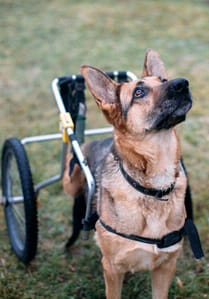
If your dog has just been diagnosed with a spinal stroke—also known as Fibrocartilaginous Embolism or FCE—you’re probably asking one urgent question: How long will this last?
The good news is that FCE is usually not progressive after the first 24 hours, and many dogs begin showing improvement within days to two weeks. However, full recovery can take anywhere from a few weeks to several months, depending on the severity of the spinal cord injury, your dog’s overall health, and the consistency of rehabilitation.
How Long Does FCE Last in Dogs?
A Complete Recovery Timeline for Pet Owners
However, full recovery can take anywhere from a few weeks to several months, depending on the severity of the spinal cord injury, your dog’s overall health, and the consistency of rehabilitation.
Some dogs walk again in 2–6 weeks, while others may need 3–6 months or longer for maximum improvement.
In this guide, we’ll walk you through the FCE recovery timeline week by week, what to expect at each stage, and how to help your dog heal.
What Is FCE in Dogs?
Fibrocartilaginous Embolism occurs when a tiny piece of disc material blocks blood flow to part of the spinal cord. This sudden interruption can cause:
- Weakness
- Loss of coordination
- Knuckling of the paws
- Partial paralysis
- Complete paralysis in severe cases
- Loss of bladder or bowel control
Symptoms often come on suddenly, sometimes during play, running, or jumping.
Unlike Intervertebral Disc Disease, FCE is generally not painful after the initial injury, and it does not usually continue to worsen after the first day.
How Long Does FCE Last in Dogs?
The short answer:
- First 24 hours: Symptoms appear and stabilize
- First 1–2 weeks: Early improvement often begins
- 2–6 weeks: Many dogs regain some movement
- 6–12 weeks: Significant recovery often occurs
- 3–6 months: Most recovery happens here
- 6+ months: Smaller improvements may continue
Every dog is different. Some recover almost fully in weeks, while others may have permanent deficits.
FCE Recovery Timeline in Dogs
First 24 Hours: The Acute Phase
This is usually the scariest stage.
Your dog may suddenly:
- Collapse
- Drag one or more legs
- Cry out in pain initially
- Be unable to stand
- Lose bladder control
The condition can worsen over the first few hours as spinal cord tissue is damaged, but it usually stops progressing within 24 hours. This means once you reach this point, you’re often seeing the “worst” of the episode.
What to do:
- Seek emergency veterinary care immediately
- Restrict movement
- Use soft bedding
- Turn your dog every 4–6 hours if immobile
Days 2–7: Stabilization Phase
Your dog may begin to stabilize.
At this stage:
- Pain usually subsides
- Swelling reduces
- Neurological signs stop worsening
- Some tiny improvements may appear
Signs of progress include:
- Tail wagging
- Slight toe movement
- Improved bladder control
- Better awareness of limb placement
Even subtle changes are encouraging.
Weeks 1–2: Early Recovery Phase
This is an important milestone.
Many dogs begin showing improvement within 5–14 days. Dogs that improve during this window often have a better prognosis.
Possible improvements:
- Standing briefly
- Bearing partial weight
- Taking assisted steps
- Regaining continence
If there is no improvement by two weeks, prognosis may be less favorable, though recovery is still possible.
Weeks 2–6: Regaining Mobility
This is often when progress becomes more noticeable.
Many dogs begin walking again during this period with rehabilitation and support.
Common milestones:
- Standing without help
- Walking with a sling or harness
- Improved coordination
- Reduced knuckling
Helpful therapies include:
- Passive range of motion exercises
- Massage
- Assisted walking
- Underwater treadmill therapy
- Hydrotherapy
6–12 Weeks: Major Progress Phase
By now, many dogs show major improvements.
At this stage:
- Walking may become steadier
- Muscle strength improves
- Bladder control may return
- Confidence increases
Some dogs appear almost normal, while others still need support devices.
Dogs with severe neurological deficits may continue improving slowly.
3–6 Months: Long-Term Recovery Phase
Most recovery occurs during this period.
By six months, your dog may have:
- Reached full recovery
- Plateaued with mild deficits
- Need long-term assistance
Common lingering issues:
- Weakness
- Toe dragging
- Occasional stumbling
- Incontinence
Even dogs with residual issues can live happy lives.
6 Months and Beyond
Some dogs continue improving for months or even years.
Long-term improvements may include:
- Better coordination
- Increased muscle mass
- Improved endurance
Even if your dog plateaus, continued therapy can maintain strength and prevent setbacks.
Factors That Affect How Long FCE Lasts
Several factors influence recovery time.
Severity of Injury
The severity of the spinal cord damage is one of the biggest influences on recovery time. Dogs with mild weakness may recover within weeks, while those with complete paralysis often require months of rehabilitation and supportive care.
Mild weakness = faster recovery
Complete paralysis = slower recovery
Deep Pain Sensation
Deep pain sensation is an important indicator of spinal cord function. Dogs that retain deep pain sensation generally have a better prognosis and faster recovery, while its absence may indicate more extensive neurological damage.
Speed of Rehabilitation
Starting rehabilitation early can significantly improve recovery outcomes. Physical therapy, assisted walking, hydrotherapy, and range-of-motion exercises help maintain muscle strength, encourage nerve recovery, and reduce complications associated with prolonged immobility.
Age and Health
Younger dogs and those in good overall health often recover more efficiently because they typically have better muscle condition, stamina, and healing capacity. Existing health issues may slow progress and complicate rehabilitation efforts.
Location of the Spinal Injury
The location of the spinal cord injury can affect both symptoms and recovery speed. Injuries affecting the neck may impact all four limbs, while lower spinal injuries generally affect only the hind limbs.
Signs Your Dog Is Recovering
Positive signs include:
- Tail wagging
- Moving toes
- Standing briefly
- Improved balance
- Taking steps
- Regaining bladder control
- Less knuckling
Progress can be slow and non-linear.
One good day may be followed by a bad day.
That’s normal.
When Recovery May Be Limited
Some dogs may not fully recover.
Poor prognostic signs include:
- No deep pain sensation
- No improvement in 2 weeks
- Symmetrical paralysis
- Severe bladder dysfunction
These dogs may still enjoy life with:
- Wheelchairs
- Harnesses
- Ongoing therapy
- Home modifications
How to Help Your Dog Recover Faster
You can support recovery by:
1. Following Vet Instructions
Work closely with your veterinarian or veterinary neurologist and carefully follow their recommendations regarding medications, exercises, bladder care, and follow-up appointments. Consistent veterinary guidance helps identify complications early and ensures your dog receives the most appropriate treatment throughout every stage of recovery.
2. Starting Rehabilitation Early
Early rehabilitation can make a significant difference in your dog’s recovery journey. Physical therapy, hydrotherapy, assisted standing exercises, and guided walking programs help maintain muscle mass, improve circulation, stimulate nerve pathways, and encourage mobility improvements as healing progresses over time. Consider:
- Physical therapy
- Hydrotherapy
- Laser therapy
- Acupuncture
3. Preventing Secondary Issues
Dogs recovering from FCE are vulnerable to secondary complications such as pressure sores, urinary tract infections, muscle wasting, and joint stiffness. Regular repositioning, good hygiene, supportive bedding, and daily monitoring can prevent setbacks that may delay recovery.Dogs recovering from FCE are vulnerable to secondary complications such as pressure sores, urinary tract infections, muscle wasting, and joint stiffness. Regular repositioning, good hygiene, supportive bedding, and daily monitoring can prevent setbacks that may delay recovery. Prevent:
- Pressure sores
- UTIs
- Muscle wasting
4. Using Mobility Aids
Mobility aids such as support harnesses, slings, rear-limb supports, and wheelchairs can help your dog remain active and confident during recovery. These tools reduce strain on both the dog and caregiver while encouraging safe movement and exercise.
5. Staying Patient
Recovery from FCE rarely follows a straight line. Some days will show noticeable progress, while others may seem disappointing. Remaining patient, celebrating small milestones, and maintaining a positive routine can help both you and your dog stay motivated.
Can FCE Come Back?
The good news: recurrence is rare.
One of the most reassuring aspects of Fibrocartilaginous Embolism (FCE) is that recurrence is considered extremely rare. Unlike some spinal conditions that can cause repeated episodes, FCE is generally viewed as a one-time event. While veterinarians cannot say the risk is absolutely zero, the vast majority of dogs that recover from an FCE never experience another spinal stroke.
Because the exact cause of FCE is not fully understood, there is no guaranteed way to prevent it from occurring. However, owners can focus on maintaining their dog’s overall health through regular exercise, weight management, proper nutrition, and routine veterinary care. Most dogs that recover from FCE go on to live happy, active lives without suffering another episode, allowing owners to focus on rehabilitation and long-term quality of life rather than worrying about recurrence.
Final Thoughts: How Long Does FCE Last in Dogs?
FCE in dogs can last anywhere from weeks to months.
A general timeline:
- 24 hours: worst stage
- 1–2 weeks: early signs of improvement
- 2–6 weeks: many dogs start walking
- 3–6 months: major recovery window
- 6+ months: continued smaller gains
The most important thing to remember:
Many dogs recover well with time, rehabilitation, and supportive care.
Even dogs with lasting deficits can still enjoy a happy, fulfilling life.
If your dog has suffered an FCE, don’t lose hope—progress often comes slowly, but it does come.
Frequently Asked Questions
Can a dog recover from FCE completely?
Yes, many dogs recover completely or nearly completely following an FCE. Recovery depends on the severity of the spinal cord injury, early rehabilitation, and overall health. Some dogs regain normal mobility, while others may retain mild weakness or coordination issues.
How soon should my dog show improvement?
Many dogs begin showing small signs of improvement within 5 to 14 days after the event. Early indicators include toe movement, tail wagging, standing assistance, or improved bladder control. However, recovery timelines vary considerably between individual dogs.
Can my dog walk again after FCE?
Many dogs regain the ability to walk following an FCE, particularly when deep pain sensation remains intact. Some begin walking within weeks, while severe cases may require months of rehabilitation and supportive mobility aids.
Is FCE painful?
FCE is often painful at the moment it occurs due to the sudden spinal cord injury. However, ongoing pain is uncommon once the initial event passes, which helps veterinarians distinguish FCE from conditions like IVDD.
Should I do physical therapy?
Physical therapy is considered one of the most important components of FCE recovery. Rehabilitation can improve strength, coordination, flexibility, and confidence while helping reduce muscle loss and supporting the best possible long-term outcome.
Related Articles:
- Bringing Your Dog Home After FCEBring your dog home after FCE with confidence using practical advice on preparation, recovery, equipment, and supporting every step of healing.
- How Vets Diagnose FCE (Fibrocartilaginous Embolism)Understanding how veterinarians diagnose FCE can reduce uncertainty, explain each test, and help you feel more confident throughout your dog’s recovery journey.
- Dog Crates and Playpens for FCE recoveryIf your vet has recommended that they need a safe, cozy space to relax, recovery crates can be helpful in the right circumstance.
- The Best Playpens for FCE recovery in 2026If you’re searching for a dog crate that looks more like beautiful furniture than traditional pet equipment, you’re not alone.
- The Best Dog Crates for FCE recovery in 2026If you’re searching for a dog crate that looks more like beautiful furniture than traditional pet equipment, you’re not alone.
The information on FCEtalk is for educational purposes, uses the assistance of AI and is not a substitute for professional veterinary advice. Always consult your veterinarian about your pet’s health and recovery. Where clearly identified as professional content, it is still intended to support – not replace – your own veterinary team’s care.
Disclosure: Our website contains affiliate links. If you purchase through these links, FCEtalk may earn a small commission at no additional cost to you. This helps support our free educational resources and community.

Learn More About FCE
At FCE talk, we explore everything you need to know about Fibrocartilaginous Embolism (FCE) in dogs,
including symptoms, diagnosis, treatment, and recovery.