



Bladder Management After FCE
How do I care for my Dog’s Bladder After FCE: Easy Step-by-Step Guide
A note about our site:
Where possible, FCEtalk uses minimal images for easier printing
helping you create clear, practical reference guides to support your pet’s recovery journey.
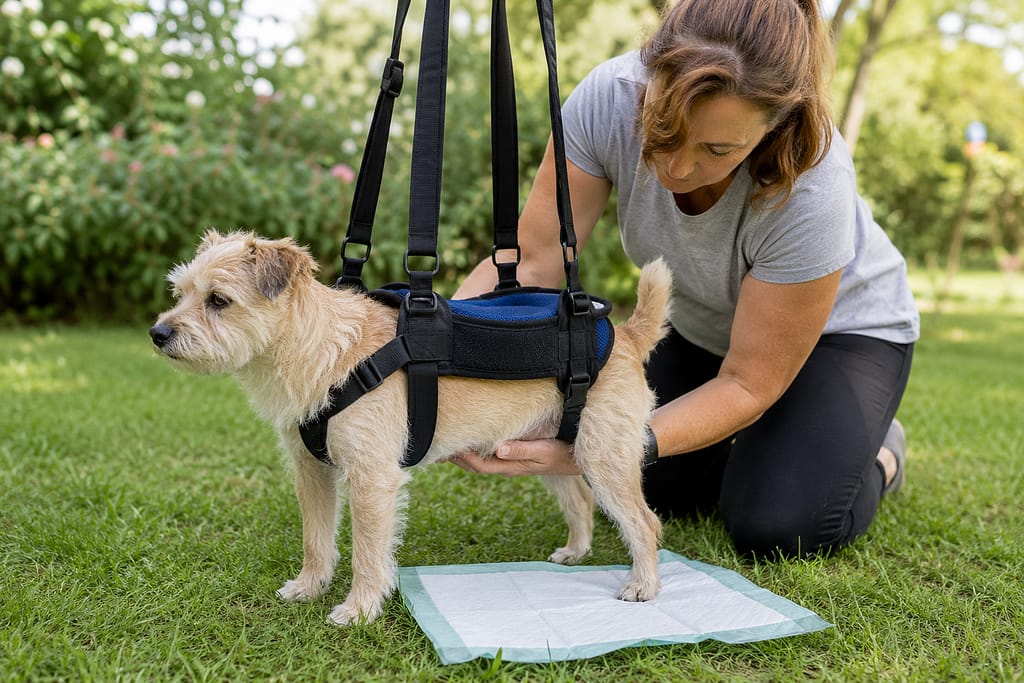
Bladder Management After FCE
If your dog has experienced a fibrocartilaginous embolism (FCE), you know how challenging it can be to manage their recovery. One important part of care may be learning how to express your dog’s bladder safely and effectively.
How do I care for the bladder?
This skill can prevent discomfort, infections, and other complications for your furry friend. You’ll discover simple, step-by-step techniques to help you confidently express your dog’s bladder after FCE. Keep reading to regain control and support your dog’s comfort every day.
Important Note: Always consult your veterinarian before attempting to express your dog’s bladder. They can teach you how to locate the bladder correctly and confirm if manual bladder expression is required.
Why Expressing A Dog’s Bladder Matters
Many dogs with FCE never need manual bladder expression, or only need it for a short period.
Some dogs:
- urinate normally from Day 1
- regain bladder function within 24–72 hours
- leak urine rather than retain it
- only have partial retention
Many owners think “My dog is leaking urine, so his bladder is empty.“
Sometimes the opposite is true. Overflow incontinence can sometimes mean the bladder may be dangerously full.
It is important to recognise the situation and speak to your vet.
Only express the bladder if your veterinarian has confirmed your dog cannot empty it adequately.
Expressing your dog’s bladder after a fibrocartilaginous embolism (FCE) may be very important. FCE can cause loss of control over the bladder, making it hard for your dog to urinate on their own. Helping your dog empty their bladder keeps them safe and comfortable. It also helps avoid serious health problems. Understanding why this care matters can help you support your dog’s recovery.
How does a spinal stroke affect the bladder?
FCE damages part of the spinal cord.
Knowing where the spinal cord is damaged is hugely important as the technique changes.
- Upper Motor Neuron (UMN)
- tightens the bladder
- makes it difficult to express
- sphincter won’t relax
- Lower Motor Neuron (LMN)
- LMN makes the bladder floppy
- easier to express
- often leaks
Risks Of Urinary Retention
Urinary retention happens when the bladder does not empty fully. This causes urine to stay inside the bladder. It can lead to infections and bladder damage. The bladder may stretch and become weak. This can make urination even harder for your dog. Bacteria can grow in the trapped urine. This can sometimes lead to painful urinary tract infections (UTIs). These infections may spread to the kidneys and cause more issues. Expressing the bladder helps prevent these risks.
Benefits For Dogs After FCE
Helping your dog express their bladder supports healing and comfort. It reduces the chance of infections and pain. Expressing the bladder prevents overfilling and damage. It keeps the bladder muscles healthy and functioning. Regular care also helps your dog feel less stressed. Your dog stays cleaner and avoids skin problems. This simple step improves their overall recovery experience after FCE.
Gathering The Right Supplies
Gathering the right supplies is the first step to help your dog after an FCE. Having everything ready makes the process easier and safer. It reduces stress for both you and your dog. Being prepared ensures you can act quickly when your dog needs bladder expression.
Essential Tools
Start with clean, soft towels or washcloths. These help keep your dog dry and comfortable. Use disposable gloves to keep hygiene during the process. A shallow container or bowl is useful to collect the urine. Keep some paper towels nearby for quick cleanup. A water-based lubricant can make the process gentler. Have a timer or clock to track how often you express the bladder. These simple tools create a smooth and safe routine.
Creating A Comfortable Space
Choose a quiet, warm spot for your dog. This helps your dog feel calm and safe. Use a soft blanket or bed to support your dog’s body. Make sure the area is easy to clean in case of accidents. Keep the space free from distractions like loud noises or other pets. A peaceful environment helps your dog relax during bladder expression. Keep water and treats nearby for aftercare and reward.
Preparing Your Dog
Preparing your dog for bladder expression after a fibrocartilaginous embolism (FCE) helps make the process easier. Your dog needs to feel calm and safe. Gentle care reduces stress and avoids accidents. Taking time to prepare builds trust between you and your dog. This preparation sets the stage for a smooth and successful bladder expression.
Calming Techniques
Start by speaking softly to your dog. Use a calm and steady voice. Pet your dog gently to help relax muscles. Deep, slow breathing can lower stress for both of you. A quiet room without loud noises helps maintain calmness. Spend a few minutes on these calming actions before starting.
Positioning Your Dog Safely
Place your dog on a non-slip surface to prevent slipping. Support their body with pillows or soft towels. Keep your dog comfortable but steady. Avoid positions that cause pain or discomfort. Hold your dog gently but firmly to stop sudden movements. Safety and comfort make bladder expression easier and safer for both.
Step-by-step Bladder Expression
Expressing your dog’s bladder after an FCE is crucial for their comfort and health. It helps prevent infections and keeps your dog clean. This step-by-step guide will make the process clear and easy to follow. Stay calm and gentle throughout to avoid causing stress or pain.
Consistency is key. Regular bladder expression supports recovery and well-being.
During examination, your vet will help to locate the bladder and confirm if manual bladder expression is required. Your vet will also teach you how to express your dog’s bladder if necessary. The below is intended to be a refresher of what is discussed during examinations.
Applying Gentle Pressure
Use your fingers and palm to apply soft, steady pressure. Push downward and slightly backward. Avoid squeezing too hard. The goal is to encourage urine to flow out, not to cause pain. Hold position for a while, as it may take time for the dog to relax. Be patient and try different angles if needed.
Recognizing Urine Flow
Watch for urine to start dripping or flowing. This shows you are pressing the bladder correctly. Do not stop the steady pressure when the urine starts to flow, as this may cause the urine to stop, potentially causing back-up of urine. Stop pressing if the flow stops. Wait a moment and try again. Make sure you and your dog stay calm and relaxed. Don’t rush the process.
Aftercare And Cleaning
Aftercare and cleaning are vital steps after expressing a dog’s bladder following an FCE (Fibrocartilaginous Embolism). Careful attention helps prevent infections and promotes comfort. Proper hygiene and monitoring help your dog heal faster and avoid complications.
Hygiene Tips
Keep the area around your dog’s genitals clean. Use warm water and a soft cloth to gently clean after each bladder expression. Avoid harsh soaps or chemicals that may irritate the skin. Dry the area thoroughly to stop moisture buildup. Change any bedding or pads regularly to maintain cleanliness. Wash your hands before and after bladder care to reduce germs.
Monitoring For Complications
Watch for signs of infection like redness, swelling, or bad smell. Check for blood or unusual discharge from the urinary opening. Notice if your dog is restless or shows pain during bladder expression. Report any changes in urination habits to your vet. Early detection helps prevent serious problems. Keep a daily log of bladder care and symptoms for reference.
When To Seek Veterinary Help
Knowing when to seek veterinary help is crucial after your dog has experienced an FCE (Fibrocartilaginous Embolism). Your dog’s health can change quickly, and early care can prevent serious problems. Watch your dog closely and act promptly if you notice worrying signs. This helps your pet stay safe and recover better.
Signs Of Infection
Infections can develop after bladder expression. Look for redness or swelling around the urinary opening. Foul-smelling or cloudy urine also signals infection. Your dog may lick the area more than usual. Fever or unusual tiredness can be signs too. Contact your vet if you see any of these symptoms.
Bladder Expression Challenges
Sometimes, expressing the bladder becomes very hard. If your dog shows pain during the process, stop and seek help. If you cannot empty the bladder fully, this can cause damage. Watch for leaking urine or swelling in the belly. These issues require veterinary care to avoid further problems.
Does my dog need a Urinary Catheter?
In some cases, dogs recovering from an FCE may be unable to empty their bladder at all during the early stages of recovery. Our very own Chief FCE Officer, Flynn was catheterised in his early weeks AND with the help of a wonderful vet, we were taught how to do it ourselves.
Your veterinarian may recommend urinary catheterisation as a temporary way to safely drain the bladder while the spinal cord begins to heal. Depending on your dog’s condition, this may involve an indwelling catheter that remains in place for a short period or intermittent catheterisation performed by a veterinary professional.
Catheterisation helps prevent painful bladder overdistension, reduces the risk of kidney complications, and allows the bladder to rest. As neurological function improves, many dogs can gradually transition to manual bladder expression or begin urinating independently under veterinary guidance.
Tips For Making The Process Easier
Expressing a dog’s bladder after FCE can be challenging. Making the process easier helps both you and your dog. Simple tips bring comfort and reduce stress. Small changes create a smoother routine. Patience and care improve success.
Creating A Routine
Dogs feel safer with a clear routine. Choose specific times daily to express the bladder. Consistency helps the dog relax. Use the same quiet spot each time. Gentle touch and calm voice make a big difference. Routine reduces anxiety and builds trust.
Using Positive Reinforcement
Praise your dog during and after the process. Use treats or gentle petting as rewards. Positive feelings link to bladder care. Avoid punishment or harsh tones. Encouragement helps your dog stay calm. Positive reinforcement speeds up learning and cooperation.
Frequently Asked Questions
How Do I Express A Dog’s Bladder After Fce?
To express a dog’s bladder after FCE, gently apply steady pressure on the lower abdomen. Use slow, consistent and steady pressure. This helps release urine safely without causing discomfort or injury.
When Should I Express My Dog’s Bladder Post-fce?
Express your dog’s bladder differs for each dog, every 4 to 6 hours is common. Regular emptying prevents bladder infections and discomfort. Monitor your dog for signs of full bladder or distress. Your vet will disuss the frequency required.
What Tools Help With Bladder Expression After Fce?
Usually, no special tools are needed. Use clean hands and a calm approach. In some cases, gloves or a towel may improve grip and hygiene during bladder expression.
Can Improper Bladder Expression Cause Harm?
Yes, improper bladder expression can injure your dog’s bladder or urethra. Always use gentle, even pressure. Avoid forcing urine out, which can cause pain or infections.
Conclusion
Expressing your dog’s bladder after FCE helps prevent infections and discomfort. Be gentle and patient with your pet during the process. Regular care supports your dog’s recovery and health. Watch for any signs of pain or changes in urination. Reach out to your vet if you notice problems or feel unsure.
Consistency and kindness make a big difference for your dog’s comfort. Small steps each day lead to better healing and quality of life. Keep learning and stay calm; your dog trusts you.
Related Articles:
- Bringing Your Dog Home After FCEBring your dog home after FCE with confidence using practical advice on preparation, recovery, equipment, and supporting every step of healing.
- How Vets Diagnose FCE (Fibrocartilaginous Embolism)Understanding how veterinarians diagnose FCE can reduce uncertainty, explain each test, and help you feel more confident throughout your dog’s recovery journey.
- Dog Crates and Playpens for FCE recoveryIf your vet has recommended that they need a safe, cozy space to relax, recovery crates can be helpful in the right circumstance.
- The Best Playpens for FCE recovery in 2026If you’re searching for a dog crate that looks more like beautiful furniture than traditional pet equipment, you’re not alone.
- The Best Dog Crates for FCE recovery in 2026If you’re searching for a dog crate that looks more like beautiful furniture than traditional pet equipment, you’re not alone.
The information on FCEtalk is for educational purposes, uses the assistance of AI and is not a substitute for professional veterinary advice. Always consult your veterinarian about your pet’s health and recovery. Where clearly identified as professional content, it is still intended to support – not replace – your own veterinary team’s care.
Disclosure: Our website contains affiliate links. If you purchase through these links, FCEtalk may earn a small commission at no additional cost to you. This helps support our free educational resources and community.

Learn More About FCE
At FCE talk, we explore everything you need to know about Fibrocartilaginous Embolism (FCE) in dogs,
including symptoms, diagnosis, treatment, and recovery.