



Non-Slip Floor Runners
Top Safety Tips: Floor Runners to Use for your Dog After a Spinal Stroke:
A note about our site:
Where possible, FCEtalk uses minimal images for easier printing
helping you create clear, practical reference guides to support your pet’s recovery journey.
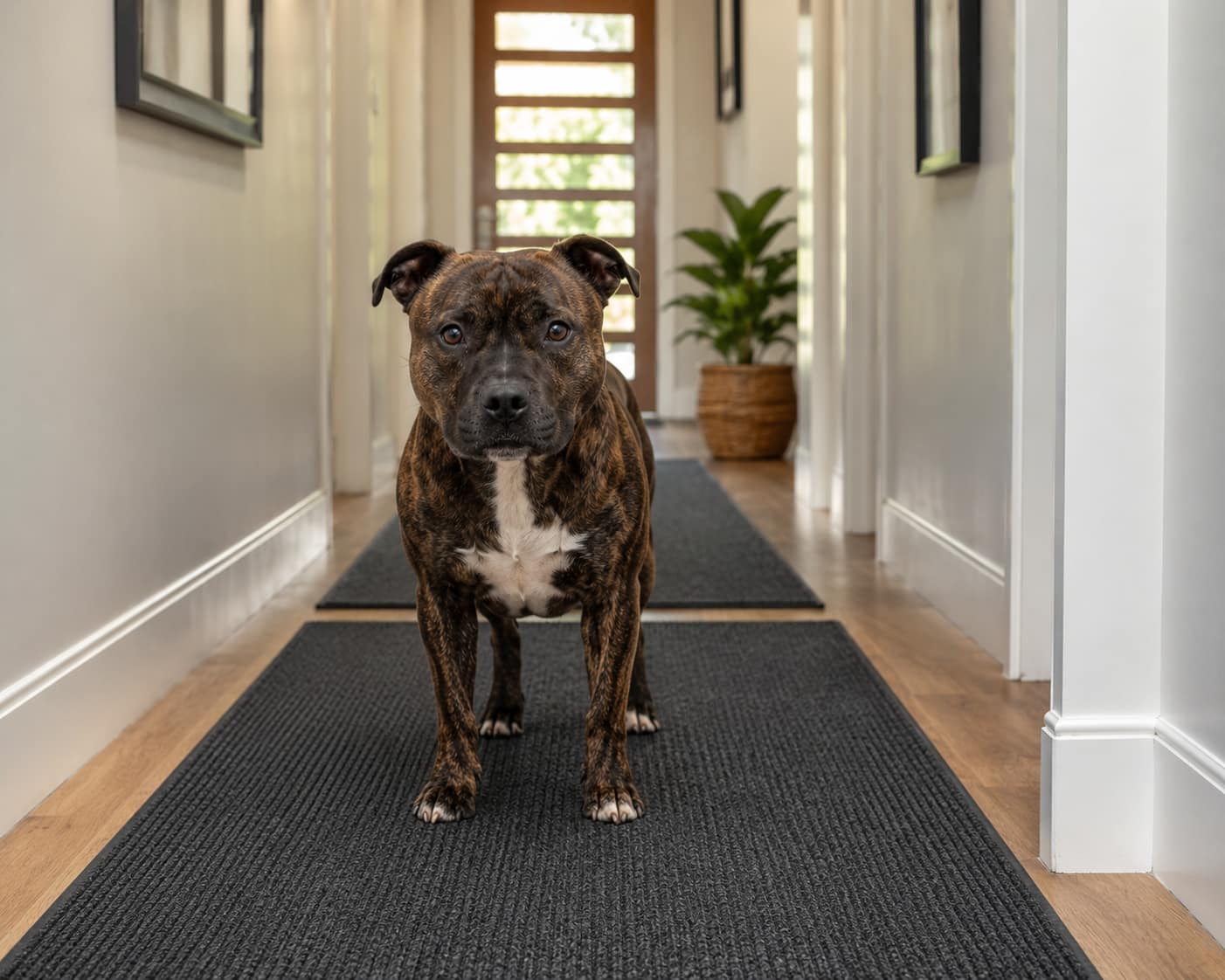
If your dog has suffered a spinal stroke, you know how challenging recovery can be. One of the biggest hurdles is helping your furry friend move safely without slipping on hard floors.
That’s where non-slip runners come in—they provide the traction your dog needs to regain confidence and stability. But with so many options available, how do you choose the best non-slip runners that truly support your dog’s unique needs? You’ll discover top-rated, easy-to-use runners designed to keep your dog steady and comfortable during recovery.
Non-slip Runners For Dogs
Non-slip runners for dogs offer essential support after a spinal stroke. These runners provide traction on smooth surfaces. They help dogs regain balance and prevent falls. Choosing the right runner improves your pet’s safety and confidence.
Benefits Of Non-slip Runners
Non-slip runners reduce slipping and sliding on hardwood or tile floors. They protect your dog’s joints by preventing sudden falls. These runners make moving around easier for dogs with weak legs. They also provide a comfortable surface for walking or resting. Using non-slip runners helps speed up recovery by encouraging safe movement.
Types Of Non-slip Runners
There are several types of non-slip runners designed for dogs. Rubber-backed runners offer strong grip and stay in place. Carpet runners provide soft traction and comfort for paws. Foam runners absorb shock and reduce stress on joints. Some runners come with textured surfaces to increase paw grip. Choose a runner that fits your home and your dog’s needs.
Key Features For Post-spinal Stroke Dogs
Choosing the right non-slip runners is crucial for dogs recovering from a spinal stroke. These runners help prevent slips and falls, making walking safer and more comfortable. Key features make a runner effective and supportive for post-spinal stroke dogs.
Traction And Grip
Strong traction prevents slipping on smooth floors. Look for runners with rubber or textured surfaces. These materials give dogs better footing. Non-slip runners reduce the risk of injury during movement. Good grip helps dogs feel secure while walking.
Comfort And Cushioning
Soft cushioning protects sensitive paws and joints. Padding absorbs shock with each step. Comfort helps dogs walk longer without pain. Choose runners with foam or gel layers. Comfortable runners support recovery and improve mobility.
Durability And Maintenance
Durable runners withstand daily use and wear. Look for materials that resist tearing and stains. Easy-to-clean runners save time and effort. Machine-washable or wipeable surfaces are ideal. Durable runners stay effective for longer periods.
Top Non-slip Runner Picks
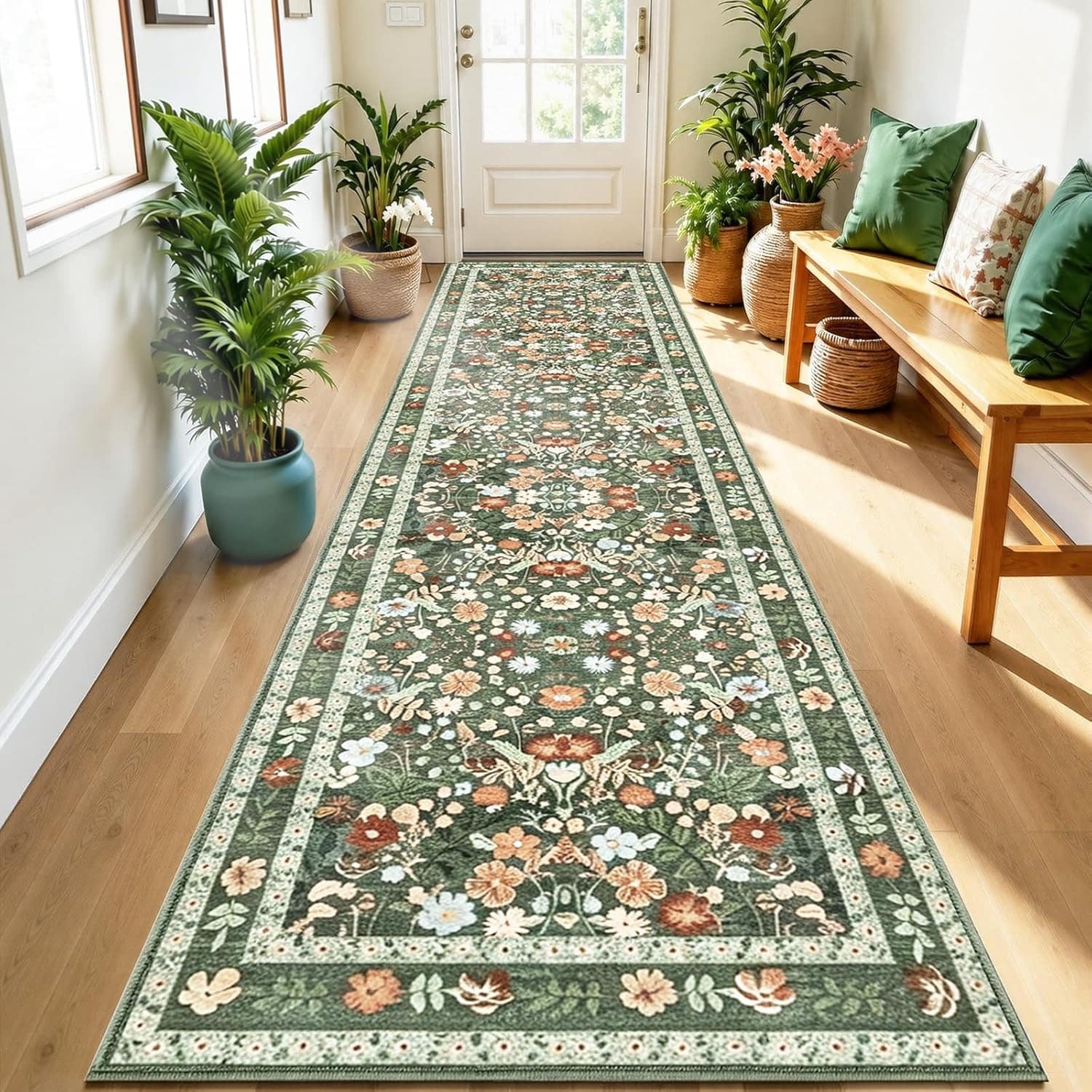
Choosing the right non-slip runner is vital for a dog recovering from a spinal stroke. These runners provide extra grip to prevent slipping and falling on smooth floors. They help your dog regain confidence and stability during recovery. Here are some top non-slip runner picks that combine safety, comfort, and durability.
Alternative Traction Solutions
Dogs recovering from a spinal stroke need extra help to stay steady. Floors can be slippery and dangerous. Alternative traction solutions protect their paws and improve balance. These options offer comfort and prevent falls without permanent changes to your home.
Non-slip Dog Socks And Boots
Non-slip dog socks and boots cover paws with soft, grippy material. They provide traction on smooth floors like wood or tile. Socks are light and flexible, letting dogs move naturally. Boots offer more protection for rough surfaces or outdoor walks. Both reduce slipping and help dogs regain confidence.
Yoga Mats And Rubber Runners
Yoga mats and rubber runners add traction to slippery areas. They are easy to place in hallways or near doors. These mats have a textured surface that stops paws from sliding. Mats are soft, which cushions joints and reduces pain. They are simple to clean and move as needed.
Grip-enhanced Floor Coverings
Grip-enhanced floor coverings improve traction without changing your floors. These include rubber-backed rugs and anti-slip stair treads. They stay firmly in place and offer a stable path for walking. These coverings protect against slips on stairs and long hallways. They help dogs feel secure during every step.
Setting Up Safe Walking Areas
Creating safe walking areas is vital for dogs recovering from a spinal stroke. These areas help prevent slips and falls, making movement easier and safer. Non-slip runners play a key role in setting up these spaces. They offer grip and comfort, allowing your dog to regain confidence while walking. Proper setup supports healing and encourages gentle exercise.
Strategic Runner Placement
Place non-slip runners where your dog walks most often. Focus on hallways, entrances, and near furniture. Cover slippery floors completely to avoid exposed areas. Overlap runners if needed to create a continuous path. Keep runners flat to prevent tripping. This setup guides your dog along safe routes.
Combining Runners With Harness Support
Use a harness alongside runners for extra stability. The harness helps you support your dog’s weight gently. It also aids balance during movement. Together, runners and harnesses reduce the risk of falls. This combination boosts your dog’s confidence during walks.
Maintaining A Slip-free Environment
Regularly clean runners to keep their grip strong. Remove dirt, dust, and pet hair often. Check runners for wear or damage and replace if needed. Avoid wet floors by wiping spills promptly. Keep the area free of loose rugs or objects. A clean, clear space ensures your dog’s safety.
Additional Support For Recovery
Supporting a dog after a spinal stroke requires more than just non-slip runners. Dogs need extra help to regain strength and balance. Various tools and therapies aid recovery. These supports improve safety and comfort during healing. They also boost a dog’s confidence to move again.
Assistive Harnesses And Slings
Assistive harnesses and slings provide crucial support for walking dogs. They help owners lift or steady dogs with weak legs. These devices reduce pressure on the spine and joints. They allow dogs to practice walking safely without falling. Using a harness or sling can speed up muscle recovery. It also prevents further injuries during movement.
Physical Therapy And Mobility Aids
Physical therapy helps dogs rebuild muscle and improve coordination. Therapists use exercises tailored to each dog’s condition. Hydrotherapy is common because water supports weight and eases pain. Mobility aids like carts or wheelchairs assist dogs with severe weakness. These aids keep dogs active and engaged. Regular therapy sessions strengthen muscles and improve balance.
Monitoring Progress And Adjusting Care
Tracking recovery progress ensures the best care for dogs. Regular check-ups with veterinarians help assess improvement. Adjusting support tools based on progress is vital. For example, switching to lighter harnesses as strength returns. Owners should watch for signs of discomfort or fatigue. Timely changes in care prevent setbacks and promote steady healing.
Frequently Asked Questions
What Shoes Are Good For Dogs With Degenerative Myelopathy?
Good shoes for dogs with Degenerative Myelopathy offer strong grip and comfort. Non-slip dog socks like TigerToes and supportive boots such as Wag Wellies work well. These help prevent slipping on hard floors and provide stability during movement. Always choose lightweight, breathable footwear for your dog’s safety.
Will My Dog Walk Again After A Spinal Stroke?
Recovery after a spinal stroke varies by severity and treatment. Many dogs regain partial or full walking ability with rehabilitation and support. Early veterinary care and physical therapy improve chances of walking again.
What Is The Best Non-slip Surface For Dogs?
The best non-slip surfaces for dogs include rubber-backed rugs, yoga mats, and specialized dog socks like Tiger Toes. These provide excellent traction on hard floors and help prevent slips and falls.
What Type Of Harness Is Good For Dogs With Spine Arthritis?
A harness with padded support and adjustable straps reduces spinal pressure and improves comfort for dogs with spine arthritis. Look for front-clip designs to prevent pulling and aid mobility.
Conclusion
Choosing the right non-slip runners helps your dog move safely after a spinal stroke. These runners provide grip on slippery floors, reducing falls and injuries. Soft, flexible materials offer comfort and support during recovery. Remember to consider your dog’s size and needs before selecting a runner.
Consistent use of non-slip surfaces aids in building confidence and mobility. Small changes make a big difference in your dog’s healing journey. Keep your dog safe and comfortable with the best runners available.
Related Articles:
- Bringing Your Dog Home After FCEBring your dog home after FCE with confidence using practical advice on preparation, recovery, equipment, and supporting every step of healing.
- How Vets Diagnose FCE (Fibrocartilaginous Embolism)Understanding how veterinarians diagnose FCE can reduce uncertainty, explain each test, and help you feel more confident throughout your dog’s recovery journey.
- Dog Crates and Playpens for FCE recoveryIf your vet has recommended that they need a safe, cozy space to relax, recovery crates can be helpful in the right circumstance.
- The Best Playpens for FCE recovery in 2026If you’re searching for a dog crate that looks more like beautiful furniture than traditional pet equipment, you’re not alone.
- The Best Dog Crates for FCE recovery in 2026If you’re searching for a dog crate that looks more like beautiful furniture than traditional pet equipment, you’re not alone.
The information on FCEtalk is for educational purposes, uses the assistance of AI and is not a substitute for professional veterinary advice. Always consult your veterinarian about your pet’s health and recovery. Where clearly identified as professional content, it is still intended to support – not replace – your own veterinary team’s care.
Disclosure: Our website contains affiliate links. If you purchase through these links, FCEtalk may earn a small commission at no additional cost to you. This helps support our free educational resources and community.

Learn More About FCE
At FCE talk, we explore everything you need to know about Fibrocartilaginous Embolism (FCE) in dogs,
including symptoms, diagnosis, treatment, and recovery.