



Lifting Your Dog Safely After FCE
Helping Your Dog After a Canine Spinal Stroke / FCE with Hydrotherapy
A note about our site:
Where possible, FCEtalk uses minimal images for easier printing
helping you create clear, practical reference guides to support your pet’s recovery journey.
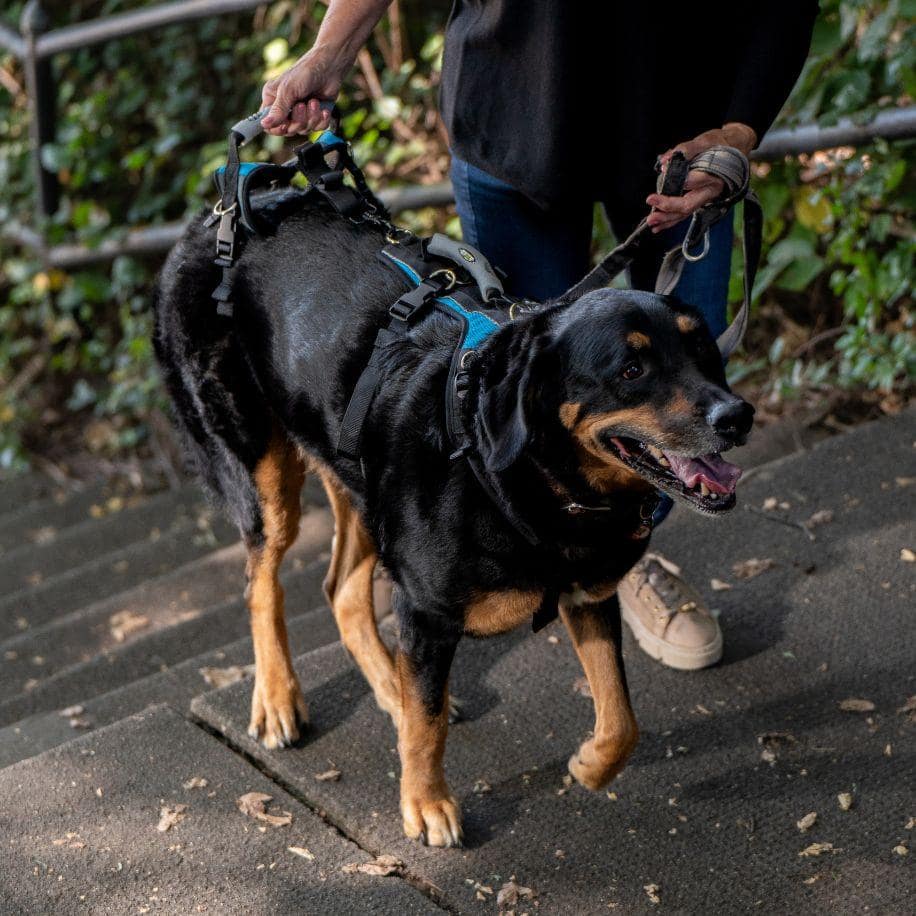
How to protect your dog and yourself during recovery
If your dog has suffered an FCE (Fibrocartilaginous Embolism) or spinal stroke, you know how fragile they feel right now. Lifting your dog safely is more than just a simple task, it’s a crucial part of helping them heal without causing more pain or injury.
You want to support your furry friend the right way, but it’s easy to worry about making a mistake. You’ll discover clear, practical tips to lift your dog safely and confidently. By the end, you’ll feel more prepared to care for your pet with the gentle support they need.
Keep reading to learn how to protect your dog and give them the comfort they deserve.
Causes And Impact Of Fce
Lifting your dog safely after experiencing a Fibrocartilaginous Embolism (FCE), also known as a spinal stroke, requires understanding the causes and impact of this condition. FCE can suddenly affect your dog’s spinal cord, leading to varying degrees of paralysis or weakness. Knowing what causes an FCE and how it affects your dog’s mobility helps you provide the right support and care during recovery.
What Is A Fibrocartilaginous Embolism
A Fibrocartilaginous Embolism happens when a small piece of fibrocartilage blocks blood flow in the spinal cord. This blockage causes a sudden loss of oxygen to the spinal cord tissue, leading to damage.
FCE often occurs without warning. Most dogs affected are middle-aged or older, but it can happen at any age. It is not caused by trauma or injury, making it different from other spinal problems.
- Cause: A small piece of fibrocartilage from the intervertebral disc enters a spinal artery.
- Result: Blood flow stops, and the spinal cord tissue dies in that area.
- Common breeds: Large breeds like German Shepherds and Labrador Retrievers are more prone.
FCE is not contagious or inherited. It affects the spinal cord suddenly and can cause immediate weakness or paralysis. Early veterinary care is critical to diagnose and manage the condition properly.
| Aspect | Description |
|---|---|
| Cause | Fibrocartilage blocks spinal artery |
| Effect | Loss of blood flow and spinal cord damage |
| Onset | Sudden, often during activity |
| Affected Dogs | Middle-aged, large breeds commonly |
Effects On Canine Mobility
FCE impacts a dog’s ability to move. The damage to the spinal cord affects signals between the brain and muscles. This causes varying degrees of weakness or paralysis.
Dogs may show:
- Sudden weakness in one or more legs
- Inability to walk or stand
- Loss of coordination and balance
- Changes in reflexes
The severity depends on the location and size of the embolism. Some dogs recover fully with rest and physical therapy. Others may have lasting mobility problems.
Supporting your dog during this time is key. Use gentle handling and proper lifting techniques to avoid further injury. Wheelchairs or harnesses may help dogs with limited mobility.
| Mobility Issue | Description | Support Tips |
|---|---|---|
| Weakness | Reduced strength in affected limbs | Use slings or harnesses for support |
| Paralysis | Complete loss of movement | Provide gentle lifting and physical therapy |
| Balance Problems | Difficulty standing or walking steadily | Assist walking with braces or harnesses |
Signs Your Dog Needs Support
Lifting your dog safely after an FCE (Fibrocartilaginous Embolism) or spinal stroke requires careful attention. These conditions affect your dog’s ability to move and support their own weight. Knowing the signs your dog needs supportcan prevent injury and help your dog recover more comfortably. Watch for changes in movement and behavior. These clues tell you when to step in and provide help.
Identifying Mobility Challenges
Dogs recovering from an FCE or spinal stroke often show clear signs of mobility issues. These signs help you understand when your dog struggles with balance or strength. Look for:
- Weakness in the legs: Your dog may drag or stumble.
- Unsteady walking: Swaying or falling frequently.
- Reluctance to move: Hesitation or refusal to walk or stand.
- Difficulty rising: Trouble getting up from lying down.
- Loss of coordination: Paw placement seems off or clumsy.
Below is a table to help you recognize common mobility problems:
| Symptom | What It Means | How to Spot It |
|---|---|---|
| Leg Weakness | Muscle strength loss | Dragging paws, limping |
| Balance Issues | Control problems | Swaying, falling |
| Coordination Loss | Movement timing off | Clumsy steps, misplacement |
| Reluctance to Move | Discomfort or fear | Refusing to walk or stand |
Spotting these signs early helps prevent further injury. Always watch your dog closely after an FCE or stroke. Changes can happen quickly.
When To Assist With Lifting
Knowing when to help your dog stand or move is key to safe lifting. Your dog may need support in these situations:
- Before walking: If your dog cannot stand on their own, help them up carefully.
- Getting into the car: Avoid jumping to protect your dog’s spine.
- After resting: Dogs with spinal issues often struggle to rise smoothly.
- During bathroom breaks: Support can prevent falls outside.
Use these tips when lifting your dog:
- Support both front and rear legs evenly.
- Keep your back straight to avoid injury.
- Lift slowly and gently.
- Use a towel or sling for extra support.
Here’s a simple checklist for lifting your dog safely:
| Step | Action |
|---|---|
| 1 | Stand close to your dog. |
| 2 | Place one hand under the chest. |
| 3 | Place the other hand under the hips. |
| 4 | Lift gently, keeping your back straight. |
| 5 | Move slowly to avoid sudden shifts. |
Helping your dog at the right times reduces stress and risk. Always stay calm and patient. Your dog senses your care and responds better.
Preparing To Lift Your Dog
Lifting your dog safely after an FCE (Fibrocartilaginous Embolism) or spinal stroke requires careful preparation. Proper preparation helps avoid further injury and supports your dog’s recovery. This section focuses on the essential steps to take before lifting your dog. Preparing to lift your dog means understanding their current condition and gathering the right tools. These steps improve comfort and safety for both you and your pet. Safe dog lifting techniques are vital in canine physical therapy and dog mobility support. Following these tips will make handling your dog easier during FCE rehabilitation and dog injury recovery.
Assessing Your Dog’s Size And Condition
Start by evaluating your dog’s size and physical condition. This step is important to decide the best lifting method and necessary support. Dogs with canine spinal injury or spinal stroke in dogs may have limited movement or muscle weakness. Knowing your dog’s weight, flexibility, and pain level helps prevent worsening their injury.
- Weigh your dog to estimate how much support you need.
- Check muscle tone and strength in limbs affected by the injury.
- Observe your dog’s comfort level when touched or moved.
- Note any signs of pain or distress during gentle handling.
- Assess mobility to determine if your dog can assist in lifting.
Use this simple table to organize your assessment:
| Factor | Details | Notes |
|---|---|---|
| Weight | Light (under 20 lbs), Medium (20-50 lbs), Heavy (over 50 lbs) | |
| Muscle Strength | Normal, Weak, Very Weak | |
| Pain Level | None, Mild, Moderate, Severe | |
| Mobility | Independent, Partial Support, Fully Dependent |
This information guides you in choosing the right dog assistive devices and lifting aids for dogs. It also helps you plan the safest way to lift your dog without causing pain or injury.
Gathering Necessary Equipment
Collect the right equipment before lifting your dog. Using proper tools supports your dog’s body and makes lifting easier. Dog assistive devices and lifting aids for dogs reduce strain on your dog and on you. They are essential for canine physical therapy and dog injury recovery.
Common equipment includes:
- Support slings or harnesses: Help lift your dog’s body safely.
- Dog wheelchairs or carts: Provide mobility support for partial movement.
- Non-slip mats: Prevent slipping during lifting or standing.
- Soft blankets or towels: Cushion and protect your dog’s spine.
- Gloves: Improve grip and protect your hands.
Prepare a clean, open space free of obstacles. This allows smooth movement while lifting and transferring your dog. Organize the equipment nearby so you can reach it quickly. Pet caregiver tips stress the importance of avoiding rushing or sudden moves.
Here is a checklist for gathering equipment:
- Measure your dog to select the right sling or harness size.
- Inspect all lifting aids for wear or damage before use.
- Lay down non-slip mats in the lifting area.
- Have a helper ready if your dog is heavy or very weak.
- Keep water and treats nearby to calm your dog after lifting.
Preparing with the right equipment and knowledge ensures safe dog lifting techniques. It supports your dog’s healing and comfort during FCE rehabilitation and dog mobility support.
Full-Body Harnesses Feature Comparison


| Feature | Lafoty Medium | Huntboo | Lafoty Blue | SlowTon | Lafoty Red |
|---|---|---|---|---|---|
| Full-body support | ✅ | ✅ | ✅ | ✅ | ✅ |
| Designed for rehabilitation | ⭐⭐⭐⭐⭐ | ⭐⭐⭐ | ⭐⭐⭐⭐⭐ | ⭐⭐⭐⭐⭐ | ⭐⭐⭐⭐⭐ |
| Best for walking & training | ⭐⭐⭐ | ⭐⭐⭐⭐⭐ | ⭐⭐ | ⭐⭐⭐ | ⭐⭐ |
| Lift handles | 4 | 1 | 3 | 1 | Multiple |
| Adjustable fit | ✅ | ✅ | ✅ | ✅ | ✅ |
| Reflective material | ❌ | ✅ | ❌ | ❌ | ❌ |
| Breathable padding/material | ✅ | ✅ | ✅ | ✅ | ✅ |
| Best for stairs & vehicles | ⭐⭐⭐⭐ | ⭐⭐ | ⭐⭐⭐⭐⭐ | ⭐⭐⭐⭐ | ⭐⭐⭐⭐⭐ |
| Best for hind-leg weakness | ⭐⭐⭐⭐ | ⭐⭐ | ⭐⭐⭐⭐⭐ | ⭐⭐⭐⭐⭐ | ⭐⭐⭐⭐⭐ |
Safe Lifting Techniques
Lifting your dog safely after an FCE (Fibrocartilaginous Embolism) or spinal stroke is crucial for both your pet and your own well-being. Dogs recovering from spinal injuries need careful handling to avoid further damage. Using safe pet lifting methods helps protect your dog’s spine and supports their healing process. It also reduces your risk of injury. This section covers essential back-friendly lifting tips to make the process smooth and secure.
Proper Hand Placement
Proper hand placement is the foundation of safe pet lifting methods. It ensures your dog feels supported and prevents extra strain on their injured spine. Here are key points to remember:
- Place one hand under the dog’s chest, just behind the front legs.
- Support the hindquarters with your other hand, especially under the hips or abdomen.
- Keep your hands close to the dog’s body to provide stability.
- Avoid putting pressure on the spine or abdomen directly.
Use gentle, steady movements. Sudden lifting can cause pain or worsen the injury. If your dog is heavy or very weak, ask for help to avoid accidents.
| Hand Position | Purpose |
|---|---|
| Chest support | Stabilizes front body and prevents forward tipping |
| Hindquarters support | Supports rear weight and reduces spinal stress |
Proper hand placement is also critical in veterinary physical therapy and during daily care. It builds trust and comfort for your dog during FCE recovery techniques.
Using Slings And Harnesses
Slings and harnesses are excellent tools for dog mobility support and canine spinal injury care. They help lift and move your dog with less effort and more safety. Here is what to know about dog assistance harness and pet sling usage:
- Choose a sling or harness designed for dogs with spinal injuries.
- Make sure the sling supports the belly and hips without putting pressure on the spine.
- Adjust straps to fit snugly but comfortably.
- Use the sling for short lifts, like helping your dog stand or climb stairs.
- Practice lifting slowly to avoid sudden movements.
Using dog rehabilitation equipment like slings can make caregiving easier and safer for both of you. It also encourages your dog to regain strength while minimizing pain.
| Equipment | Best Use | Benefits |
|---|---|---|
| Full-body sling | Lifting and supporting entire body | Even weight distribution, reduces strain |
| Hind leg harness | Supporting rear legs during walking | Improves mobility, supports weak legs |
| Front leg harness | Helping front leg movement | Assists balance and weight shift |
Lifting With Your Legs, Not Your Back
Using your legs to lift is one of the most important back-friendly lifting tips. It protects your spine and helps prevent injuries during canine spinal injury care. Follow these steps for safe lifting:
- Stand close to your dog to keep weight centered.
- Bend your knees, not your waist.
- Keep your back straight and shoulders aligned.
- Hold your dog securely using proper hand placement or sling.
- Lift by straightening your legs slowly and smoothly.
- Avoid twisting or sudden movements while lifting or carrying.
This technique uses strong leg muscles to do the work. It reduces strain on the back and lowers the chance of falls or muscle pulls.
Veterinary physical therapy often teaches these methods to pet owners. Proper lifting supports dog rehabilitation equipment use and makes daily care safer. Practicing these steps regularly builds strength and confidence in handling your dog during FCE recovery techniques.
Post-lift Care And Comfort
After lifting your dog safely following an FCE or spinal stroke, post-lift care and comfort are vital to support recovery. Proper handling does not end with the lift. Careful attention helps prevent further injury and eases your dog’s transition to mobility assistance. This stage focuses on ensuring your dog feels secure and comfortable, which promotes healing and reduces stress during canine physical therapy and post-FCE dog rehabilitation.
Positioning Your Dog Safely
Correct positioning supports your dog’s spine and muscles after lifting. It reduces pressure points and improves blood flow. Use safe dog lifting techniques to place your dog gently on a flat, firm surface. Avoid twisting or bending the spine.
Tips for safe positioning:
- Use supportive bedding: Soft but firm beds prevent sores and support the spine.
- Keep the spine aligned: Avoid unnatural curves or bends during rest.
- Elevate the head slightly: Helps with breathing and comfort.
- Use gentle padding: Place towels or foam under pressure areas.
- Position limbs naturally: Keep legs extended without forcing movement.
The table below shows common positions for assisting paralyzed dogs and their benefits:
| Position | Benefit | When to Use |
|---|---|---|
| Side lying | Reduces pressure on spine and limbs | During rest or sleep |
| Supported sitting | Improves breathing and digestion | Short periods, under supervision |
| Supine (on back) | Easy access for physical therapy | During canine physical therapy sessions |
Position changes should be gradual. Move your dog slowly to avoid pain or shock. Use dog support and handling tools like slings or harnesses for added safety. Proper positioning aids spinal stroke recovery in dogs by preventing complications and promoting comfort.
Monitoring For Discomfort Or Pain
After lifting and positioning, watch your dog closely for signs of discomfort or pain. Canine spinal injury care involves regular dog pain monitoring to detect issues early. Dogs may hide pain, so observe behavior and body language carefully.
Common signs of pain or discomfort include:
- Whining or whimpering
- Restlessness or inability to settle
- Guarding or licking a body part
- Changes in breathing or heart rate
- Muscle twitching or stiffness
Use this checklist to track your dog’s pain levels:
| Observation | Normal | Signs of Pain |
|---|---|---|
| Vocalization | Quiet or calm | Frequent whining or growling |
| Movement | Relaxed | Restless or stiff |
| Appetite | Normal eating | Loss of appetite |
| Response to touch | Calm | Flinching or aggression |
Regular monitoring aids early intervention and improves outcomes. If your dog shows signs of pain, consult your veterinarian immediately. Proper dog mobility assistance during spinal stroke recovery in dogs reduces pain and supports healing. Always combine careful observation with gentle handling and canine physical therapy techniques to ensure the best care.
Preventing Further Injury
Lifting your dog safely after an FCE or spinal stroke is critical to prevent further injury. Dogs recovering from spinal strokes need gentle care and proper support. Incorrect lifting can cause pain or worsen their condition. Use safe dog lifting methods and follow guidelines that protect your pet’s spine. Supporting your dog’s body correctly reduces stress on injured areas and aids in healing. Careful handling is a key part of post-stroke dog care and spinal stroke rehabilitation dogs require special attention.
Avoiding Common Mistakes
Many pet owners make mistakes while lifting a dog recovering from a spinal injury. These errors can delay recovery or cause new injuries. Avoid these common mistakes to ensure your dog’s safety and comfort:
- Not supporting the dog’s spine: Always support both the front and rear of the dog to keep the spine aligned.
- Lifting by the legs only: This puts strain on limbs and spine. Use your hands to support the chest and hips.
- Using quick, jerky movements: Lift slowly and steadily to avoid sudden pressure on the injury.
- Ignoring your dog’s pain signals: Watch for signs like whimpering or struggling and stop if your dog seems uncomfortable.
Here is a quick comparison of safe vs unsafe lifting practices:
| Safe Dog Lifting Methods | Common Mistakes |
|---|---|
| Support chest and hips evenly | Lift by legs or tail only |
| Lift smoothly and steadily | Use fast or jerky movements |
| Use dog support harnesses if needed | Try to lift without any support aids |
| Communicate with your dog and watch for pain | Ignore discomfort or resistance |
Follow these pet injury handling tips to reduce risks during lifting. Safe handling supports canine physical therapy and improves overall recovery.
Tips For Daily Mobility Support
Daily care is crucial for dogs recovering from spinal strokes. Good mobility support helps maintain muscle strength and prevents stiffness. Use these tips for canine mobility assistance and dog spinal injury support:
- Use dog support harnesses: Harnesses help you lift and support your dog safely. They reduce strain on injured areas.
- Encourage gentle movements: Short, slow walks or assisted standing help maintain muscle tone without causing harm.
- Apply FCE recovery techniques: Massage and passive limb exercises improve circulation and reduce stiffness.
- Use dog mobility aids: Wheelchairs or carts can help dogs move independently while protecting the spine.
- Regular vet check-ups: Monitor progress with your vet and adjust care plans as needed.
Here is a simple daily routine example for post-stroke dog care:
- Morning: Assist your dog with standing using a support harness for 10-15 minutes.
- Midday: Gentle passive exercises or massage for 10 minutes.
- Evening: Short assisted walk or wheelchair use for 15-20 minutes.
Follow these guidelines to help your dog stay comfortable and improve mobility. Consistent care with safe techniques supports spinal stroke rehabilitation dogs and aids their recovery journey.
When To Seek Professional Help
Lifting your dog safely after an FCE or spinal stroke is crucial for their recovery and comfort. Knowing when to seek professional help can protect your dog from further injury and improve their healing process. Early intervention by experts ensures the best outcomes in Dog Spinal Cord Injury Recovery. Watch your dog closely for any troubling signs and take action swiftly.
Signs Of Complications
Recognizing Signs Of Canine Spinal Stroke early can prevent worsening conditions. After a spinal stroke, your dog might seem to improve, but complications can develop suddenly. Be alert to changes in behavior or movement. Some signs require immediate veterinary attention.
- Increased pain or discomfort: Whining, restlessness, or sensitivity when touched.
- Loss of bladder or bowel control: Accidents in the house or difficulty urinating.
- Weakness or paralysis: Sudden worsening of limb movement or complete inability to move legs.
- Swelling or redness: Around the spine or lifting areas, indicating possible infection or injury.
- Changes in appetite or energy: Refusal to eat, lethargy, or sudden fatigue.
Use the table below to track your dog’s symptoms daily during Dog Spinal Stroke Care:
| Symptom | Observed (Yes/No) | Notes |
|---|---|---|
| Pain or Whining | ||
| Movement Ability | ||
| Bladder Control | ||
| Swelling or Redness | ||
| Appetite Changes |
If these signs appear or worsen, contact a veterinarian immediately. Quick response can prevent permanent damage during Neurologic Dog Injury Support.
Working With Veterinary Therapists
Veterinary rehabilitation professionals play a vital role in Canine Fce Recovery and Post-Stroke Dog Therapy. They guide safe dog lifting techniques and design personalized plans to improve Dog Mobility Assistance. Therapists help your dog regain strength and reduce pain.
Common therapies include:
- Physical therapy exercises: Gentle movements to improve flexibility and strength.
- Hydrotherapy: Water-based exercises to support weight and ease joint stress.
- Massage therapy: Increases circulation and reduces muscle tension.
- Assistive devices: Wheelchairs or slings to help mobility during recovery.
During Veterinary Rehabilitation For Dogs, therapists teach owners how to use Safe Dog Lifting Techniques. Proper lifting supports your dog’s spine and prevents injury to both pet and owner.
Benefits of working with veterinary therapists:
- Personalized recovery plans tailored to your dog’s needs.
- Improved mobility and faster healing.
- Reduced risk of future spinal injuries.
- Ongoing support and guidance for home care.
Partnering with experts in Canine Physical Therapy ensures your dog receives the best care. It supports long-term health and quality of life after a spinal stroke.
Frequently Asked Questions
How Do I Safely Lift My Dog After A Spinal Stroke?
Support your dog’s chest and hindquarters firmly when lifting. Use a towel or sling under the belly for extra support. Lift slowly and keep your dog close to your body to prevent strain or injury.
What Equipment Helps Lift Dogs After A Spinal Stroke?
Use a dog lift harness or sling designed for spinal support. These tools evenly distribute weight and reduce pressure on the spine. Avoid lifting by limbs alone to prevent further injury.
How Can I Prevent Injury While Lifting My Dog?
Always lift with your legs, not your back. Keep your dog’s spine aligned and avoid twisting motions. Ask for help if your dog is heavy or uncooperative to ensure safe handling.
When Should I Consult A Vet About Lifting Techniques?
If your dog shows pain, resistance, or worsening symptoms, consult your vet. They can provide tailored advice or physical therapy recommendations. Regular vet visits ensure your dog’s recovery stays on track.
Conclusion
Lifting your dog safely after an FCE or spinal stroke is very important. Use slow and gentle movements to avoid pain or injury. Support your dog’s body well, especially the back and hips. Always watch your dog’s reactions and stop if they seem uncomfortable.
Practice this often to build your confidence and your dog’s trust. Caring for your dog with care helps them heal and feel safe. Small steps each day can make a big difference in recovery. Keep learning and stay patient for the best results.
Related Articles:
- Bringing Your Dog Home After FCEBring your dog home after FCE with confidence using practical advice on preparation, recovery, equipment, and supporting every step of healing.
- How Vets Diagnose FCE (Fibrocartilaginous Embolism)Understanding how veterinarians diagnose FCE can reduce uncertainty, explain each test, and help you feel more confident throughout your dog’s recovery journey.
- Dog Crates and Playpens for FCE recoveryIf your vet has recommended that they need a safe, cozy space to relax, recovery crates can be helpful in the right circumstance.
- The Best Playpens for FCE recovery in 2026If you’re searching for a dog crate that looks more like beautiful furniture than traditional pet equipment, you’re not alone.
- The Best Dog Crates for FCE recovery in 2026If you’re searching for a dog crate that looks more like beautiful furniture than traditional pet equipment, you’re not alone.
The information on FCEtalk is for educational purposes, uses the assistance of AI and is not a substitute for professional veterinary advice. Always consult your veterinarian about your pet’s health and recovery. Where clearly identified as professional content, it is still intended to support – not replace – your own veterinary team’s care.
Disclosure: Our website contains affiliate links. If you purchase through these links, FCEtalk may earn a small commission at no additional cost to you. This helps support our free educational resources and community.

Learn More About FCE
At FCE talk, we explore everything you need to know about Fibrocartilaginous Embolism (FCE) in dogs,
including symptoms, diagnosis, treatment, and recovery.