



Bringing Dog Home After FCE
How to prepare your home and support your dog’s recovery after Spinal Stroke
A note about our site:
Where possible, FCEtalk uses minimal images for easier printing
helping you create clear, practical reference guides to support your pet’s recovery journey.
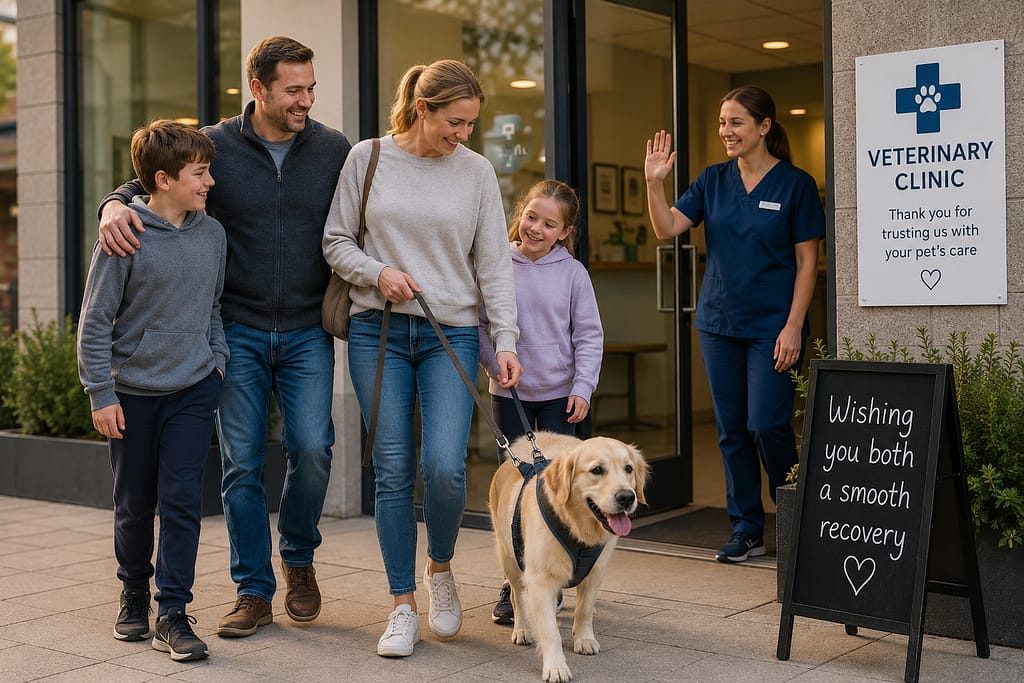
Bringing Dog Home After FCE
How to prepare your home, support your dog’s recovery, and confidently navigate those important first days together.
Bringing your dog home after a diagnosis of Fibrocartilaginous Embolism (FCE)—often called a spinal stroke in dogs—is one of the most emotional milestones in the recovery journey.
For many families, leaving the veterinary hospital is a mixture of relief, excitement, hope, and fear.
While you’re grateful your dog is well enough to come home, you may also be wondering:
- What if I do something wrong?
- How will I manage lifting them?
- Will they be comfortable?
- What happens overnight?
- How do I know if they’re improving?
These feelings are completely understandable.
The good news is that most dogs are far more comfortable recovering in the familiarity of home, surrounded by the people who love them. Your house doesn’t need to become a veterinary hospital—it simply needs to become a safe, calm environment where healing can happen.
This guide explains how to prepare your home, what equipment is genuinely helpful, what to expect during the first night, and how to help your entire family adjust to this new routine.
Why Coming Home Matters
Once your veterinarian determines your dog is medically stable, continuing recovery at home is usually the next important step.
Although the first few weeks may feel overwhelming, remember that recovery from FCE is typically measured over weeks and months – not days. Your goal isn’t to create perfection. Your goal is to create consistency.
Home offers several advantages:
- familiar smells and routines
- reduced stress
- better sleep
- more opportunities for gentle rehabilitation
- stronger emotional support from family members
Download your free 14-day tracker
Download the free FCEtalk 14-day Recovery Tracker to record progress, recognise milestones, and confidently support your dog throughout their FCE journey.
Preparing the House
Preparing your home before your dog arrives can make those first days significantly less stressful. Think about your house from your dog’s perspective. Small changes can dramatically improve safety. They may currently be unable to:
- stand independently
- walk safely
- turn around easily
- reach water bowls
- climb steps
- avoid slipping
Create Clear Pathways
Wide, uncluttered pathways reduce the chance of falls while you’re supporting your dog.
Remove unnecessary obstacles including:
- shoes
- children’s toys
- electrical cords
- loose rugs
- baskets
- low furniture
Improve Floor Grip
Even dogs regaining strength can lose confidence if every step ends with slipping. Good footing encourages movement. Slippery floors are one of the biggest challenges after FCE. Consider:
- rubber-backed runners
- yoga mats
- foam exercise mats
- non-slip hallway runners
- carpet tiles

Restrict Dangerous Areas
During early recovery, less space is often safer than unlimited freedom. Use baby gates to block:
- stairs
- swimming pools
- steep outdoor areas
- slippery tiled rooms
Adjust Food and Water
Hydration remains especially important during recovery. Raise bowls if recommended by your veterinarian. Ensure they are:
- easy to reach
- stable
- impossible to tip over
Plan Toilet Access
Many families find that having a predictable toilet routine quickly becomes one of the most reassuring parts of the day.
Think about:
- shortest route outdoors
- non-slip surfaces
- adequate lighting at night
- protection from rain
- somewhere you can comfortably assist them
Setting Up the Recovery Area
Your dog’s recovery area will likely become their home base for several weeks. It doesn’t need to be elaborate.
It simply needs to be:
- comfortable
- quiet
- easy to supervise
- easy to clean
- safe
Choose the Right Location
A central living area is often ideal. Avoid isolating your dog in a laundry or garage unless specifically necessary. Dogs generally recover better when they continue feeling part of the family. Being close to family helps prevent loneliness while also allowing you to monitor:
- appetite
- comfort
- toileting
- movement
- sleep
Bedding
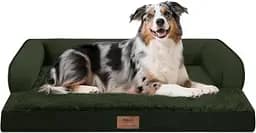
Choose supportive bedding that cushions pressure points without being difficult to move on. Avoid bedding that is so soft your dog sinks deeply into it.
Good options include:
- orthopedic mattresses
- thick foam beds
- layered blankets
- washable waterproof covers
Easy Cleaning
Waterproof mattress protectors, washable blankets and spare bedding make life considerably easier. Many experienced families recommend keeping two complete sets ready. Recovery can involve:
- urinary accidents
- drooling
- muddy paws
- food spills
Temperature Control
Dogs recovering from neurological injuries may struggle to regulate body position. Good airflow is important.
Ensure they remain:
- warm during winter
- cool during summer
- protected from direct sunlight
Turning and Position Changes
Dogs unable to move independently may require assistance changing position every few hours to reduce pressure on skin and joints. Your veterinary team will explain whether this is necessary for your dog’s specific condition.
Equipment That Can Make Recovery Easier
One of the most common questions families ask is:
“What should we buy?”
The answer is often:
Less than you think.
Many items marketed for disabled dogs aren’t immediately necessary.
Instead, begin with equipment recommended by your veterinarian or rehabilitation professional.
Helpful equipment may include:
Full-Body Support Harness
One of the most valuable purchases. Avoid lifting solely by the collar.
A properly fitted harness helps:
- assist standing
- support walking
- reduce lifting strain
- improve safety

Slings
For larger dogs, slings provide additional support underneath the abdomen or hindquarters.
They’re particularly useful during:
- toilet breaks
- short walks
- transfers
Orthopedic Bed
Pressure relief and comfort become especially important during prolonged rest.
A quality orthopedic bed can improve comfort considerably.

Non-Slip Flooring
Often more valuable than expensive equipment.
Confidence grows when your dog trusts the floor beneath them.
Washable Waterproof Bedding
Expect accidents.
Being prepared removes much of the stress.
Food and Water Bowls
Stable bowls that don’t slide across the floor make eating easier.
Mobility Aids
Wheelchairs, carts and advanced supports may become appropriate later. However, many dogs recovering from FCE never require permanent mobility devices. Your veterinarian or rehabilitation therapist can guide this decision based on your dog’s progress.
The Journey Home
The drive home is often quieter than families expect.
Plan ahead. Avoid unnecessary stops. Getting home calmly is the priority. Many dogs are:
- tired
- sleepy
- emotionally exhausted
Consider:
- two people if possible
- supportive harness
- non-slip blanket in the car
- waterproof protection
- frequent checks during longer trips
The First Night Home
Almost every family remembers the first night. Many describe sleeping lightly, checking their dog repeatedly and worrying about every small movement. This is completely normal.
Expect Everyone to Feel Emotional
Your dog has experienced:
- hospitalisation
- unfamiliar people
- neurological injury
- changes in routine
You have experienced:
- uncertainty
- difficult decisions
- emotional exhaustion
Both of you need rest.
Keep the Evening Quiet
Allow your dog to settle. Recovery doesn’t begin with exercise. Recovery begins with feeling safe.
Avoid:
- visitors
- excitement
- unnecessary activity
Follow Medication Instructions Carefully
Administer medications exactly as prescribed. Never discontinue medication early without veterinary advice. If you’re unsure about timing or dosage, contact your veterinary clinic rather than guessing
Offer Water
Many dogs drink well once home. Some may initially drink less. Monitor hydration and discuss concerns with your veterinarian.
Offer Food
Some dogs eat enthusiastically. Others may have reduced appetite after hospitalisation. Small, familiar meals are often best unless your veterinarian recommends otherwise.
Toilet Before Bed
Give your dog the opportunity to urinate and defecate before settling for the night. If bladder expression has been recommended, continue following the technique demonstrated by your veterinary team.
Sleep Close By
Many families choose to sleep near their dog for the first few nights. This can provide reassurance for both of you. Remember, however, that you also need sleep. Recovery is a marathon, not a sprint.
Helping Children Understand
Children often notice dramatic changes immediately. Be honest using age-appropriate language. Encourage gentle interaction. Reading, sitting quietly nearby or talking softly can all help your dog feel included.
Explain that:
- their dog has injured their spinal cord
- recovery takes time
- everyone is helping
- healing cannot be rushed
Managing Family Expectations
One of the greatest emotional challenges after FCE is expectations. Recovery rarely follows a straight line. There are good days. There are frustrating days. Sometimes progress appears to pause before improving again.
Celebrate Small Wins
Some of the biggest milestones aren’t dramatic. Each represents neurological recovery.
Examples include:
- first tail wag
- first assisted stand
- improved bladder control
- stronger paw placement
- better balance
- longer periods sitting comfortably
Avoid Comparisons
Every dog’s injury is different. Comparing your dog to another family’s recovery timeline often creates unnecessary anxiety.
Instead, compare today’s progress with your dog’s own journey last week.
Share Responsibilities
Recovery is easier when responsibilities are shared. No single person should feel they must carry everything alone.
Family members can help with:
- feeding
- cleaning bedding
- gentle exercises
- toileting assistance
- emotional support
- recording progress
Accept That Plans May Change
Recovery requires flexibility.
Appointments.
Therapy.
Rest.
Unexpected improvements.
Unexpected setbacks.
Adaptation becomes part of the journey.
Creating a Daily Routine
Dogs generally thrive on routine. A predictable schedule often reduces anxiety for everyone. Consistency matters far more than intensity. A simple daily routine might include:
- Morning toilet assistance
- Breakfast
- Medication
- Short rehabilitation session
- Rest
- Toilet break
- Lunch (if applicable)
- Gentle exercise
- Afternoon rest
- Dinner
- Evening toilet break
- Quiet family time
- Bedtime
When to Contact Your Veterinarian
Your veterinary team remains your most important partner throughout recovery. While recovery often includes gradual improvement, seek veterinary advice promptly if you have any concerns or your dog develops:
- increasing pain
- worsening weakness
- refusal to eat for more than 24 hours
- repeated vomiting
- difficulty breathing
- persistent diarrhoea
- inability to urinate
- signs of urinary tract infection
- pressure sores
- unexplained swelling
- sudden neurological deterioration
Looking After Yourself
Families often focus entirely on their dog. Please remember yourself too. Accept offers of help. Sleep when you can. Eat regular meals. Take short breaks. Recovery can be emotionally exhausting, particularly during the first few weeks. Looking after yourself isn’t selfish. It helps you continue caring for your dog.
Hope Lives in Small Moments
Many families expect recovery to arrive in one dramatic breakthrough. Instead, it usually appears quietly.
- A stronger tail wag.
- One extra step.
- Standing for a few seconds longer.
- A more confident walk.
- These moments accumulate.
- Over time, they become recovery.
Frequently Asked Questions
How soon can my dog come home after FCE?
Your veterinarian will decide when your dog is medically stable enough for home care. This varies depending on the severity of the spinal cord injury, bladder function, mobility and overall health.
Should my dog stay in a crate?
Some dogs benefit from a crate or playpen, while others recover better in a larger recovery area. Your veterinarian or rehabilitation professional can recommend the safest option for your dog’s individual needs.
What equipment should I buy first?
Most families find a supportive harness, non-slip flooring, waterproof bedding and an orthopedic bed provide the greatest benefit early in recovery.
Is it normal to feel overwhelmed?
Absolutely. Caring for a dog after FCE is emotionally demanding. Most families become more confident within the first couple of weeks as routines develop.
When should rehabilitation begin?
Rehabilitation should only begin under the guidance of your veterinarian or a qualified canine rehabilitation professional. Early therapy is often beneficial, but the timing and exercises must be tailored to your dog’s condition.
Will my dog sleep more than usual?
Yes. Many dogs are tired after hospitalisation and neurological injury. Adequate rest is an important part of the healing process.
Key Takeaways
- Preparing your home before discharge reduces stress for both you and your dog.
- Non-slip flooring and a supportive recovery area improve comfort and confidence.
- A full-body harness is often one of the most useful pieces of equipment.
- The first night home is emotional for many families—keep routines calm and simple.
- Recovery is rarely linear, so celebrate small improvements.
- Share responsibilities with family members whenever possible.
- Follow your veterinarian’s instructions closely and contact them if you notice concerning changes.
- Patience, consistency and compassion are among the most valuable tools you can provide.
References
- Dewey, C. W., & da Costa, R. C. (2016). Practical Guide to Canine and Feline Neurology (3rd ed.). Wiley Blackwell.
- Platt, S. R., & Olby, N. J. (2013). BSAVA Manual of Canine and Feline Neurology (4th ed.). BSAVA.
- Olby, N. J., Moore, S. A., & Levine, J. M. (Current clinical guidance on canine spinal cord injury rehabilitation).
- American College of Veterinary Internal Medicine (ACVIM) Consensus Statements.
- American College of Veterinary Sports Medicine and Rehabilitation (ACVSMR) resources.
- Veterinary Information Network (VIN). Clinical guidance on Fibrocartilaginous Embolism (FCE) in dogs.
- American Animal Hospital Association (AAHA). Canine rehabilitation and recovery guidelines.
Related Articles:
- Bringing Your Dog Home After FCEBring your dog home after FCE with confidence using practical advice on preparation, recovery, equipment, and supporting every step of healing.
- How Vets Diagnose FCE (Fibrocartilaginous Embolism)Understanding how veterinarians diagnose FCE can reduce uncertainty, explain each test, and help you feel more confident throughout your dog’s recovery journey.
- Dog Crates and Playpens for FCE recoveryIf your vet has recommended that they need a safe, cozy space to relax, recovery crates can be helpful in the right circumstance.
- The Best Playpens for FCE recovery in 2026If you’re searching for a dog crate that looks more like beautiful furniture than traditional pet equipment, you’re not alone.
- The Best Dog Crates for FCE recovery in 2026If you’re searching for a dog crate that looks more like beautiful furniture than traditional pet equipment, you’re not alone.
The information on FCEtalk is for educational purposes, uses the assistance of AI and is not a substitute for professional veterinary advice. Always consult your veterinarian about your pet’s health and recovery. Where clearly identified as professional content, it is still intended to support – not replace – your own veterinary team’s care.
Disclosure: Our website contains affiliate links. If you purchase through these links, FCEtalk may earn a small commission at no additional cost to you. This helps support our free educational resources and community.

Learn More About FCE
At FCE talk, we explore everything you need to know about Fibrocartilaginous Embolism (FCE) in dogs,
including symptoms, diagnosis, treatment, and recovery.