



Sudden Paralysis in Dogs
One of the most common causes of sudden paralysis is a canine spinal stroke.
A note about our site:
Where possible, FCEtalk uses minimal images for easier printing
helping you create clear, practical reference guides to support your pet’s recovery journey.
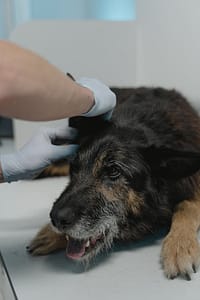
Why has my dog lost use of his legs?
One of the most common causes of sudden hind-leg paralysis is a spinal stroke, medically known as Fibrocartilaginous Embolism (FCE).
If your dog has suddenly become weak, wobbly, or unable to walk on their back legs, it’s completely understandable to feel frightened. One moment they may have been running or playing normally, and the next they can barely stand. While this sudden change is alarming, it doesn’t always mean your dog has suffered a permanent injury.
One of the most common causes of sudden hind leg paralysis is a spinal stroke, medically known as Fibrocartilaginous Embolism (FCE). An FCE occurs when a tiny piece of disc material blocks the blood supply to part of the spinal cord, causing an abrupt loss of neurological function. Unlike many spinal conditions, FCE is usually not extremely painful after the initial event, and many dogs can make significant improvements with time, rehabilitation and supportive care.
FCE is only one of several conditions
FCE is only one of several conditions that can cause sudden weakness or paralysis. Intervertebral Disc Disease (IVDD), spinal injuries, tick paralysis, infections, inflammatory diseases, blood clots and other neurological disorders can produce similar symptoms. Because these conditions require very different treatments, prompt veterinary assessment is essential.
This guide explains the most common reasons a dog may suddenly lose the use of their back legs, what warning signs to watch for, what to do immediately, and how your veterinarian will determine the underlying cause. Most importantly, it will help you understand why early diagnosis gives your dog the best possible chance of recovery.graph
Common Causes of Sudden Hind Leg Paralysis
Fibrocartilaginous Embolism (FCE) – Canine Spinal Stroke
Fibrocartilaginous Embolism (FCE), often called a spinal stroke, is one of the most common causes of sudden hind limb paralysis. It occurs when a small fragment of disc material blocks a blood vessel supplying the spinal cord, causing a sudden interruption of blood flow. Dogs are often perfectly normal one moment before collapsing or developing weakness within minutes. Unlike many other spinal disorders, severe pain is usually brief or absent after the initial event. Depending on the location and severity of the spinal cord injury, dogs may experience weakness, complete paralysis, loss of bladder control or reduced sensation. While recovery can take weeks or months, many dogs regain good mobility through rehabilitation, physiotherapy and dedicated home care.
Intervertebral Disc Disease (IVDD)
Intervertebral Disc Disease (IVDD) occurs when one of the discs between the vertebrae bulges or ruptures, compressing the spinal cord. Unlike FCE, IVDD is often very painful and may worsen progressively if pressure on the spinal cord continues. It is particularly common in breeds such as Dachshunds, French Bulldogs and Beagles, although any dog can be affected. Mild cases may respond to conservative treatment, while severe cases often require emergency surgery.
Spinal Cord Injury
Falls, vehicle accidents, sporting injuries or other trauma can damage the spinal cord, vertebrae or surrounding tissues. Depending on the severity of the injury, dogs may develop weakness, paralysis or loss of sensation. Immediate veterinary attention is essential to stabilise the spine and minimise permanent neurological damage.
Tick Paralysis
Tick paralysis is caused by toxins released from certain tick species, particularly the Australian paralysis tick. Weakness usually begins in the hind legs before progressing to the front legs and affecting breathing muscles if left untreated. Early removal of the tick and prompt veterinary treatment can result in an excellent recovery.
Neurological Disorders
Several neurological diseases can affect the brain, spinal cord or peripheral nerves, resulting in weakness or paralysis. These include inflammatory conditions, nerve disorders, tumours and degenerative diseases such as degenerative myelopathy. Some develop suddenly, while others progress gradually over weeks or months.
Infections and Inflammatory Conditions
Bacterial, viral, fungal and immune-mediated diseases can cause inflammation around the spinal cord or nervous system. Swelling and damage to nervous tissue may result in weakness, loss of coordination or paralysis. Early diagnosis is important to prevent permanent injury.
Blood Clots and Vascular Disorders
Although uncommon, blood clots and other vascular disorders can interrupt blood flow to nervous tissue and produce sudden neurological signs. Because FCE is also a vascular event affecting the spinal cord, advanced imaging such as MRI is often needed to distinguish between different causes of sudden paralysis.
Orthopaedic Trauma and Musculoskeletal Injury
Not every dog that struggles to use their back legs has a spinal problem. Fractures, pelvic injuries, ligament ruptures or severe muscle injuries can make walking impossible. Although these conditions may mimic neurological disease, careful examination and diagnostic imaging usually identify the underlying cause.
Recognizing Symptoms And Warning Signs
Noticing your dog suddenly cannot walk on its back legs is alarming. Early recognition of symptoms can help get quick treatment. Watch closely for signs that show something is wrong. Small changes may point to serious problems. Acting fast can prevent further harm.
Changes In Mobility
Your dog may struggle to stand or walk on back legs. It might drag hind paws instead of lifting them. Stiffness or limping could appear suddenly. Movement may seem slower or awkward. These signs often show nerve or muscle issues.
Pain And Sensitivity
Dogs in pain may yelp when touched near the back legs. They might avoid being picked up or hugged. Look for swelling or tenderness in the hips or spine. Pain can cause your dog to limp or lie down more. Sensitivity to touch is a key warning sign.
Loss Of Coordination
Your dog may lose balance while walking or standing. It might stumble, fall, or wobble frequently. Back legs can appear weak or shaky. This loss of control often points to nerve damage. Coordination problems need immediate attention.
Behavioral Changes
Changes in behavior can signal distress or pain. Your dog might become quieter or withdrawn. It may stop playing or wagging its tail. Some dogs show aggression or irritability. These behaviors often accompany physical symptoms.
Immediate Actions To Take At Home
Seeing your dog suddenly unable to walk on their back legs is scary. Quick and calm action at home can help your dog feel more comfortable and avoid more harm. Knowing what to do right away matters a lot. This guide covers key steps you can take before reaching a vet.
Keeping Your Dog Comfortable
Place your dog on a soft, flat surface. Use a blanket or cushion to support their body. Keep your dog warm but not too hot. Speak softly to calm their nerves. Avoid moving your dog too much to prevent pain.
Avoiding Further Injury
Do not try to make your dog stand or walk. Gently lift them with help, using a board or strong cloth. Keep your dog still and avoid sudden movements. Remove any objects nearby that might cause harm. Handle your dog carefully to protect their spine and legs.
Monitoring Vital Signs
Check your dog’s breathing rate and look for any signs of distress. Feel their gums; they should be pink and moist. Monitor their heart rate by gently feeling the chest area. Watch for changes in alertness or responsiveness. Note any unusual behaviors or symptoms to tell the vet.
When To Seek Emergency Care
Go to an emergency vet if your dog cannot move their back legs. Seek help if your dog shows pain, weakness, or loss of bladder control. Immediate care is critical for serious injuries or sudden paralysis. Don’t wait if your dog’s condition worsens quickly. Quick vet attention can save your dog’s life.
Veterinary Diagnostic Procedures
When a dog suddenly cannot walk on its back legs, a vet will perform specific tests. These tests help find the cause of the problem. Quick and accurate diagnosis is crucial for proper treatment.
Physical And Neurological Exams
The vet first checks the dog’s body and movement. They look for pain, weakness, or injury in the legs. Reflexes and muscle tone are tested to assess nerve function. The exam shows if the problem is in the spine, nerves, or muscles.
Imaging Techniques
X-rays give pictures of bones and joints. They reveal fractures or arthritis that block movement. Ultrasound may check soft tissues. MRI or CT scans show detailed images of the spine and nerves. These scans help find herniated discs or tumors.
Laboratory Tests
Blood tests check for infections or inflammation. Urine tests can reveal kidney or bladder problems. Sometimes, spinal fluid is tested for diseases affecting the nervous system. Lab tests support other exams by showing hidden health issues.
Treatment Options Based On Cause
Treating a dog that suddenly cannot walk on its back legs depends on the cause of the problem. Different health issues need different treatments. Understanding the root cause helps choose the best care.
Some causes are medical and need medicine. Others require surgery. Physical therapy can help dogs regain strength. Supportive care is important for comfort and safety.
Medications And Pain Management
Medicines can reduce pain and inflammation. They help improve movement and comfort. Common drugs include painkillers and anti-inflammatories. Some conditions may need steroids or antibiotics. Medication helps dogs feel better quickly.
Surgical Interventions
Surgery may be needed for injuries or nerve problems. It can fix broken bones or slipped discs. Surgery can improve nerve function in some cases. Early surgery often leads to better recovery. Your vet will explain if surgery is needed.
Physical Therapy And Rehabilitation
Physical therapy strengthens muscles and improves movement. Exercises help dogs walk again after injury. Hydrotherapy and massage are common treatments. Rehab supports healing and prevents muscle loss. It is safe and often very effective.
Supportive Care And Nursing
Supportive care keeps dogs comfortable during recovery. Special beds prevent pressure sores. Assistance with bathroom needs is important. Regular turning helps circulation and avoids injuries. Patience and gentle care aid healing.
Preventing Future Episodes
Preventing future episodes of a dog suddenly unable to walk on its back legs is crucial for their health. Taking proactive steps helps keep your dog strong and mobile. It reduces the risk of injury or illness that could cause leg problems.
Regular Health Checkups
Schedule regular vet visits for your dog. Early detection of health issues is key. Your vet can spot problems before they worsen. Blood tests and physical exams reveal hidden risks. Stay updated on vaccinations and supplements suggested by your vet.
Safe Exercise Practices
Exercise keeps dogs fit but must be safe. Avoid rough play or jumping from high places. Use gentle walks and controlled activities. Warm up your dog before intense exercise. Cool down afterward to prevent muscle strain.
Tick And Parasite Control
Ticks and parasites cause diseases that affect movement. Use vet-recommended tick prevention products. Check your dog’s skin regularly for ticks. Remove ticks carefully and promptly. Keep your dog’s environment clean and parasite-free.
Maintaining Healthy Weight
Extra weight strains your dog’s back legs. Feed a balanced diet and control portion sizes. Avoid giving too many treats. Regular exercise helps maintain a healthy weight. A fit dog has less risk of leg problems.
When To Contact Your Vet Immediately
Noticing your dog cannot walk on its back legs is alarming. Acting fast can save your dog’s life or prevent lasting harm. Knowing the signs that need urgent vet care is crucial. Some symptoms mean immediate attention is necessary. Watch closely and don’t wait.
This section covers when to contact your vet immediately. Recognize serious signs to protect your dog’s health.
Signs Of Severe Distress
Your dog may show severe pain or panic. Crying, whimpering, or heavy panting often means distress. Limping or dragging back legs with obvious discomfort is serious. Sudden weakness combined with confusion or dizziness needs urgent care.
Rapid Onset Paralysis
Paralysis that happens quickly demands immediate vet attention. If your dog suddenly cannot move back legs, act fast. This can signal spinal injury or nerve damage. Delay in treatment may worsen the condition or cause permanent damage.
Loss Of Bladder Or Bowel Control
Accidents inside the house show loss of control. This symptom often links to nerve or spinal problems. Incontinence with sudden leg paralysis is an emergency. Immediate vet care can prevent serious complications or infections.
Frequently Asked Questions
Why Can My Dog Suddenly Not Walk On Back Legs?
Sudden loss of back leg mobility in dogs may indicate injury, neurological issues, or spinal problems. Immediate veterinary evaluation is essential to diagnose and treat the underlying cause effectively.
What Are Common Causes Of Dog Hind Leg Paralysis?
Common causes include intervertebral disc disease, trauma, tick paralysis, arthritis, or degenerative myelopathy. Early diagnosis and treatment improve recovery chances and prevent further damage.
How Urgent Is It If My Dog Can’t Walk On Back Legs?
It is a medical emergency. Immediate veterinary attention is crucial to prevent permanent paralysis and manage pain or underlying conditions effectively.
Can A Dog Recover After Losing Back Leg Movement?
Recovery depends on the cause and severity. Some dogs improve with treatment, rehabilitation, or surgery, while others may have permanent impairment.
Conclusion
If your dog suddenly loses the use of their back legs, it’s natural to fear the worst. While several conditions can cause sudden paralysis, Fibrocartilaginous Embolism (FCE), or a spinal stroke, is one of the most common and many dogs go on to make remarkable recoveries with the right care. Prompt veterinary assessment is essential to determine the underlying cause and begin appropriate treatment as quickly as possible.
If your dog is diagnosed with FCE, remember that recovery is often a journey rather than an overnight event. With patience, rehabilitation, supportive home care and plenty of encouragement, many dogs regain mobility and enjoy a happy, fulfilling quality of life. Stay positive, work closely with your veterinary team, and celebrate every small milestone—because every step forward is progress.
Related Articles:
- Bringing Your Dog Home After FCEBring your dog home after FCE with confidence using practical advice on preparation, recovery, equipment, and supporting every step of healing.
- How Vets Diagnose FCE (Fibrocartilaginous Embolism)Understanding how veterinarians diagnose FCE can reduce uncertainty, explain each test, and help you feel more confident throughout your dog’s recovery journey.
- Dog Crates and Playpens for FCE recoveryIf your vet has recommended that they need a safe, cozy space to relax, recovery crates can be helpful in the right circumstance.
- The Best Playpens for FCE recovery in 2026If you’re searching for a dog crate that looks more like beautiful furniture than traditional pet equipment, you’re not alone.
- The Best Dog Crates for FCE recovery in 2026If you’re searching for a dog crate that looks more like beautiful furniture than traditional pet equipment, you’re not alone.
The information on FCEtalk is for educational purposes, uses the assistance of AI and is not a substitute for professional veterinary advice. Always consult your veterinarian about your pet’s health and recovery. Where clearly identified as professional content, it is still intended to support – not replace – your own veterinary team’s care.
Disclosure: Our website contains affiliate links. If you purchase through these links, FCEtalk may earn a small commission at no additional cost to you. This helps support our free educational resources and community.

Learn More About FCE
At FCE talk, we explore everything you need to know about Fibrocartilaginous Embolism (FCE) in dogs,
including symptoms, diagnosis, treatment, and recovery.