



Effective Recovery Tips: How to Use Cavaletti Poles
How to Use Cavaletti Poles to Help Rehabilitation in Your Dog after a Spinal Stroke
A note about our site:
Where possible, FCEtalk uses minimal images for easier printing
helping you create clear, practical reference guides to support your pet’s recovery journey.
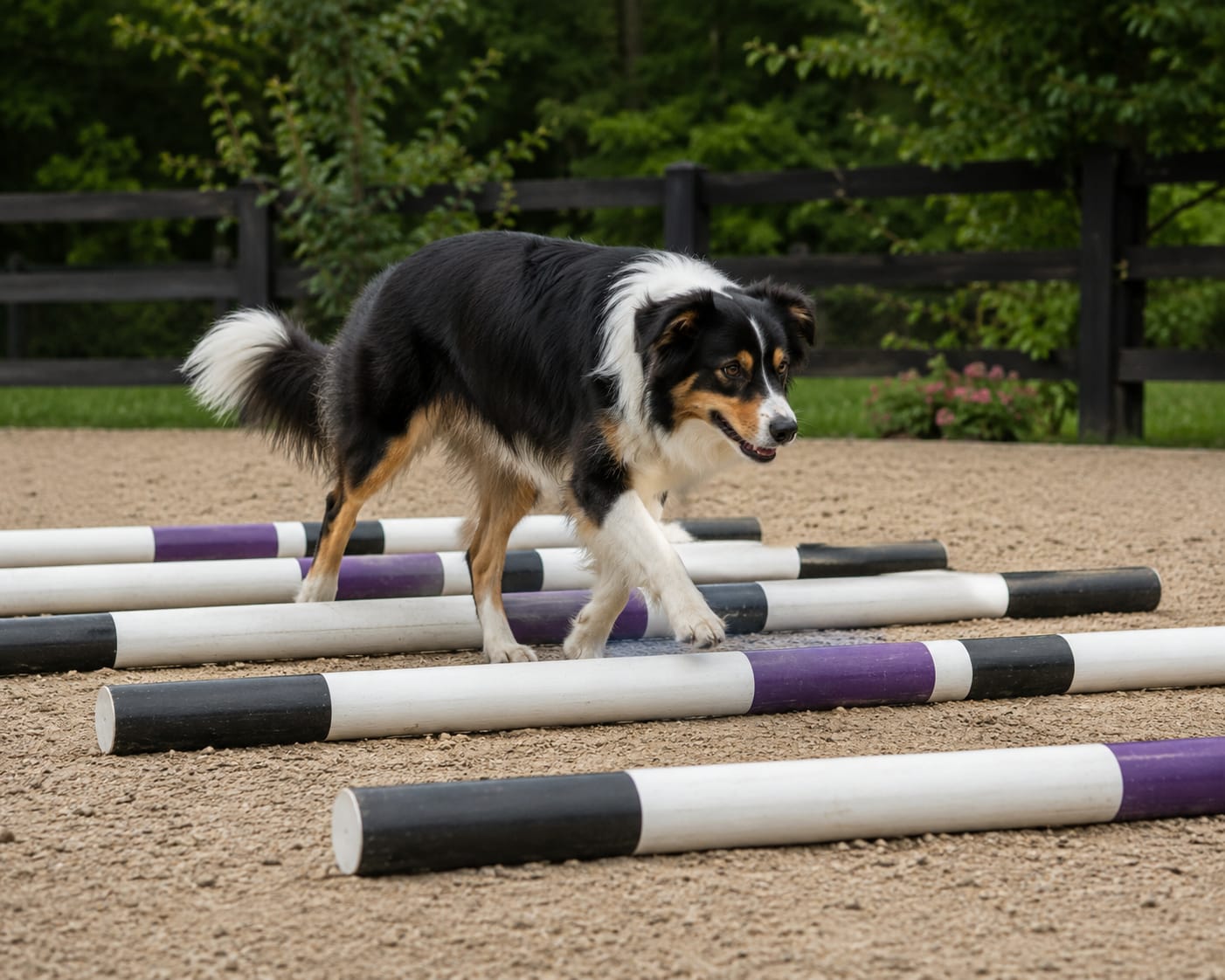
If your dog is recovering from an FCE / Spinal Stroke, you want to do everything possible to support their healing and regain strength. Cavaletti poles are a simple, yet powerful tool that can help improve your dog’s coordination, balance, and muscle tone during rehabilitation.
By guiding your dog to carefully step over these poles, you encourage controlled movement that promotes recovery without causing stress. You’ll learn exactly how to use cavaletti poles safely and effectively to boost your dog’s rehab progress. Whether you’re new to canine rehab or looking for fresh ideas to help your dog bounce back, keep reading to discover practical tips you can start using today.
Benefits Of Cavaletti Poles
Cavaletti poles offer many benefits in dog rehabilitation after a spinal stroke. They help dogs regain strength, balance, and flexibility. Using these poles regularly supports recovery and prevents future injuries.
These simple tools guide dogs through controlled movements. This improves their body awareness and physical health. Let’s explore the key benefits of cavaletti poles.
Improving Coordination And Balance
Cavaletti poles challenge dogs to lift their feet carefully. This improves their coordination and foot placement. Controlled stepping over poles helps dogs maintain better balance. It trains their brain and muscles to work together smoothly.
Better coordination reduces the chance of falls or stumbles. It also helps dogs adjust to uneven surfaces in daily life. This is vital for dogs recovering from an FCE.
Enhancing Muscle Strength
Walking over poles requires more effort than regular walking. This helps build muscle strength in the legs and hips. Stronger muscles support joints and reduce strain on injured areas.
Using cavaletti poles can improve endurance and overall fitness. This makes daily activities easier and less painful for your dog. Gradual training helps avoid overexertion during rehab.
Promoting Joint Flexibility
Stepping over poles encourages dogs to flex and extend their joints fully. This gentle movement keeps joints mobile and healthy. It helps prevent stiffness and improves range of motion.
Regular use can ease discomfort from arthritis or joint injuries. Flexible joints also reduce the risk of future damage during exercise or play.
Setting Up Cavaletti Poles
Setting up cavaletti poles correctly is key to helping your dog’s spinal stroke rehabilitation. The right setup ensures safe, effective exercises. It supports your dog’s balance, strength, and coordination. Proper arrangement also prevents injury and stress during training. Follow these steps to create a helpful and secure exercise environment.
Choosing The Right Equipment
Select poles made of lightweight, durable materials. PVC or plastic poles work well for easy handling. Avoid heavy or sharp-edged poles to protect your dog’s paws. Use adjustable stands or blocks to hold poles off the ground. Make sure the equipment is stable and won’t tip over easily.
Adjusting Pole Height And Distance
Start with poles low to the ground for your dog’s comfort. Adjust height gradually as your dog gains strength and confidence. Keep poles at a height that allows easy stepping over without jumping. Space poles evenly to match your dog’s stride length. For small dogs, place poles closer together; for larger dogs, space them wider.
Creating Safe Exercise Space
Choose a flat, non-slip surface for setting up the poles. Clear the area of obstacles and hazards. Ensure good lighting so your dog can see the poles clearly. Keep the space quiet and free from distractions. Always supervise your dog during exercises to avoid accidents.
Basic Cavaletti Exercises
Basic cavaletti exercises help dogs improve balance, coordination, and strength. These exercises are gentle and suitable for rehabilitation. They encourage controlled movement and focus. Using cavaletti poles can support recovery from injuries or surgery. Start slow and keep sessions short for the best results.
Consistency and patience are key. Each exercise targets different muscle groups and helps improve gait. Below are some simple exercises to begin with.
Walking Over Poles
Place poles on the ground in a straight line. Space them evenly, about the length of your dog’s paw. Walk your dog slowly over the poles. Encourage careful stepping with each paw. This builds coordination and improves joint mobility.
Keep your dog calm and relaxed. Use treats or praise to reward careful stepping. Repeat the exercise for a few minutes each session.
Trot Patterns
Set the poles slightly farther apart for a trot. Your dog moves faster, lifting its legs higher. This strengthens muscles and improves endurance. Start with short distances and increase as your dog gains strength.
Guide your dog gently and keep the pace steady. Watch for signs of fatigue or discomfort. Trot patterns enhance balance and muscle control during faster movement.
Side Steps And Weaving
Arrange poles in a zigzag pattern. Encourage your dog to step sideways or weave through them. This challenges balance and lateral strength. Side steps improve flexibility and coordination in the hips and shoulders.
Move slowly and support your dog’s movements. Use treats to motivate and guide. This exercise is ideal for dogs needing extra hip or joint care.
Incorporating Cavaletti In Rehab
Incorporating cavaletti poles into your dog’s rehabilitation plan can greatly improve recovery. These low hurdles help your dog regain strength, balance, and coordination. Using cavaletti is gentle on joints while encouraging controlled movement. Proper use adapts to your dog’s specific injury and progress. This approach supports healing and rebuilds confidence in movement.
Tailoring Exercises To Injury Type
Every injury needs a unique plan. For joint issues, use poles spaced closer to reduce strain. For muscle injuries, increase spacing to encourage longer strides. Adjust height and number of poles based on your dog’s limits. Consult your vet to match exercises to the injury. Tailored exercises avoid setbacks and promote steady recovery.
Progressing Intensity Safely
Start with low intensity and simple patterns. Gradually increase pole height and spacing as your dog improves. Add more poles to extend the exercise duration. Watch for signs of fatigue or discomfort during sessions. Slow, steady progression prevents injury and builds endurance. Keep sessions short and positive to maintain motivation.
Monitoring Your Dog’s Response
Observe your dog closely during and after exercises. Look for limping, stiffness, or reluctance to move. Note changes in energy and behavior that may indicate pain. Keep a journal to track progress and setbacks. Regular vet check-ups ensure exercises remain safe and effective. Adjust the routine based on your dog’s feedback and recovery pace.
Common Mistakes To Avoid
Using cavaletti poles can greatly aid your dog’s rehabilitation. Yet, certain mistakes can slow progress or cause harm. Avoiding these common errors ensures safe and effective therapy. Learn what to watch out for during training sessions.
Incorrect Pole Spacing
Spacing poles too close or too far apart can confuse your dog. It may cause awkward steps or strain muscles. Measure the distance based on your dog’s size and stride. Adjust spacing gradually as your dog improves. Proper spacing helps build coordination and strength safely.
Overloading Too Soon
Introducing too many poles or long sessions too quickly tires your dog. Overloading may lead to injury or reluctance to continue. Start with a few poles and short exercises. Increase intensity slowly over days or weeks. Patience prevents setbacks and builds confidence.
Ignoring Pain Signals
Watch for signs of pain or discomfort during exercises. Limping, whining, or hesitation means your dog needs a break. Never force your dog to continue if it shows pain. Consult your vet if pain persists. Respecting pain signals protects your dog’s health.
Advanced Cavaletti Techniques
Advanced Cavaletti techniques enhance your dog’s rehabilitation. These methods build strength, balance, and coordination. They challenge your dog beyond basic walking over poles. Using varied patterns and combining obstacles keeps exercises interesting. This helps your dog stay motivated and engaged.
Variable Pole Patterns
Change the spacing between poles to vary difficulty. Tight spacing forces shorter, quicker steps. Wider spacing encourages longer strides and stretching. Alternate pole heights to improve paw lift and joint flexibility. Use zigzag or wave patterns to train agility and focus. These variations stimulate different muscles and improve coordination.
Incorporating Obstacles
Add low jumps or ramps near the cavaletti poles. This challenges your dog to adapt foot placement and timing. Use cones or barriers to guide the path and improve precision. Combining obstacles with poles enhances balance and strength. It also prepares your dog for real-world movements and uneven surfaces.
Combining With Other Therapies
Pair cavaletti work with massage or hydrotherapy sessions. This supports muscle recovery and reduces soreness. Use gentle stretching before and after cavaletti exercises to increase flexibility. Combine with controlled leash walks to build endurance gradually. These combined therapies speed up healing and improve overall mobility.
Tips For Successful Rehab Sessions
Successful rehab sessions with cavaletti poles require careful planning and attention. These tips will help you guide your dog safely and effectively. Follow each step to support your dog’s recovery journey.
Maintaining Consistency
Set a regular schedule for rehab exercises. Consistency helps your dog learn the movements better. Stick to the same time and place to create a routine. This reduces stress and makes sessions more productive. Avoid skipping days to keep progress steady.
Using Positive Reinforcement
Reward your dog with treats and praise during exercises. Positive reinforcement encourages good behavior and effort. Keep rewards small and frequent to maintain motivation. Use a happy tone to make the experience enjoyable. This builds trust and confidence in your dog.
Adjusting Based On Progress
Watch your dog closely during each session. Increase or decrease the difficulty of exercises as needed. If your dog struggles, slow down or lower the poles. If your dog performs well, raise the challenge gradually. Always prioritize your dog’s comfort and safety.
Frequently Asked Questions
How Far Apart Should Cavaletti Poles Be For Dogs?
Place cavaletti poles about one stride length apart, matching your dog’s natural step for smooth movement. Adjust spacing by your dog’s size and gait.
What Is The 7 7 7 Rule For Dogs?
The 7 7 7 rule for dogs means walking seven steps forward, seven steps backward, and seven steps sideways. It improves coordination and balance.
What Is The Cavaletti Exercise For Dogs?
The cavaletti exercise involves dogs stepping over evenly spaced poles to improve coordination, balance, and muscle strength.
What Are The Risks Of Cavalletti Work?
Cavaletti work risks include tripping, joint strain, and muscle injury if poles are improperly spaced or too high. Supervise and adjust for your dog’s ability.
Conclusion
Using cavaletti poles can make rehab exercises simple and effective. They help improve your dog’s balance, strength, and coordination. Start slow and watch your dog’s comfort closely. Consistent practice leads to better mobility and confidence. Always consult your vet before beginning new exercises.
With patience and care, cavaletti poles support your dog’s FCE recovery journey well. Try adding them to your dog’s rehab routine today.
Related Articles:
- Bringing Your Dog Home After FCEBring your dog home after FCE with confidence using practical advice on preparation, recovery, equipment, and supporting every step of healing.
- How Vets Diagnose FCE (Fibrocartilaginous Embolism)Understanding how veterinarians diagnose FCE can reduce uncertainty, explain each test, and help you feel more confident throughout your dog’s recovery journey.
- Dog Crates and Playpens for FCE recoveryIf your vet has recommended that they need a safe, cozy space to relax, recovery crates can be helpful in the right circumstance.
- The Best Playpens for FCE recovery in 2026If you’re searching for a dog crate that looks more like beautiful furniture than traditional pet equipment, you’re not alone.
- The Best Dog Crates for FCE recovery in 2026If you’re searching for a dog crate that looks more like beautiful furniture than traditional pet equipment, you’re not alone.
The information on FCEtalk is for educational purposes, uses the assistance of AI and is not a substitute for professional veterinary advice. Always consult your veterinarian about your pet’s health and recovery. Where clearly identified as professional content, it is still intended to support – not replace – your own veterinary team’s care.
Disclosure: Our website contains affiliate links. If you purchase through these links, FCEtalk may earn a small commission at no additional cost to you. This helps support our free educational resources and community.

Learn More About FCE
At FCE talk, we explore everything you need to know about Fibrocartilaginous Embolism (FCE) in dogs,
including symptoms, diagnosis, treatment, and recovery.