
FCE treatments
Non-Slip Paw Shoes for Dogs Recovering from an FCE
Non-Slip Paw Shoes for Dogs Recovering from FCE (Spinal Stroke)
A diagnosis of Fibrocartilaginous Embolism (FCE), often referred to as a spinal stroke, can change life overnight for both dogs and their families. One day, your dog may be running around the backyard, and the next they are struggling to stand. Slipping on smooth floors, dragging a paw, or learning how to walk again.
Discover our top 4 for 2026
While physiotherapy, hydrotherapy, and veterinary care form the foundation of recovery, many owners quickly discover that flooring and paw protection can significantly influence their dog’s confidence and mobility. Slippery tiles, polished timber floors, and even short periods outdoors can become challenging for a recovering dog with weakness, reduced coordination, or knuckling.
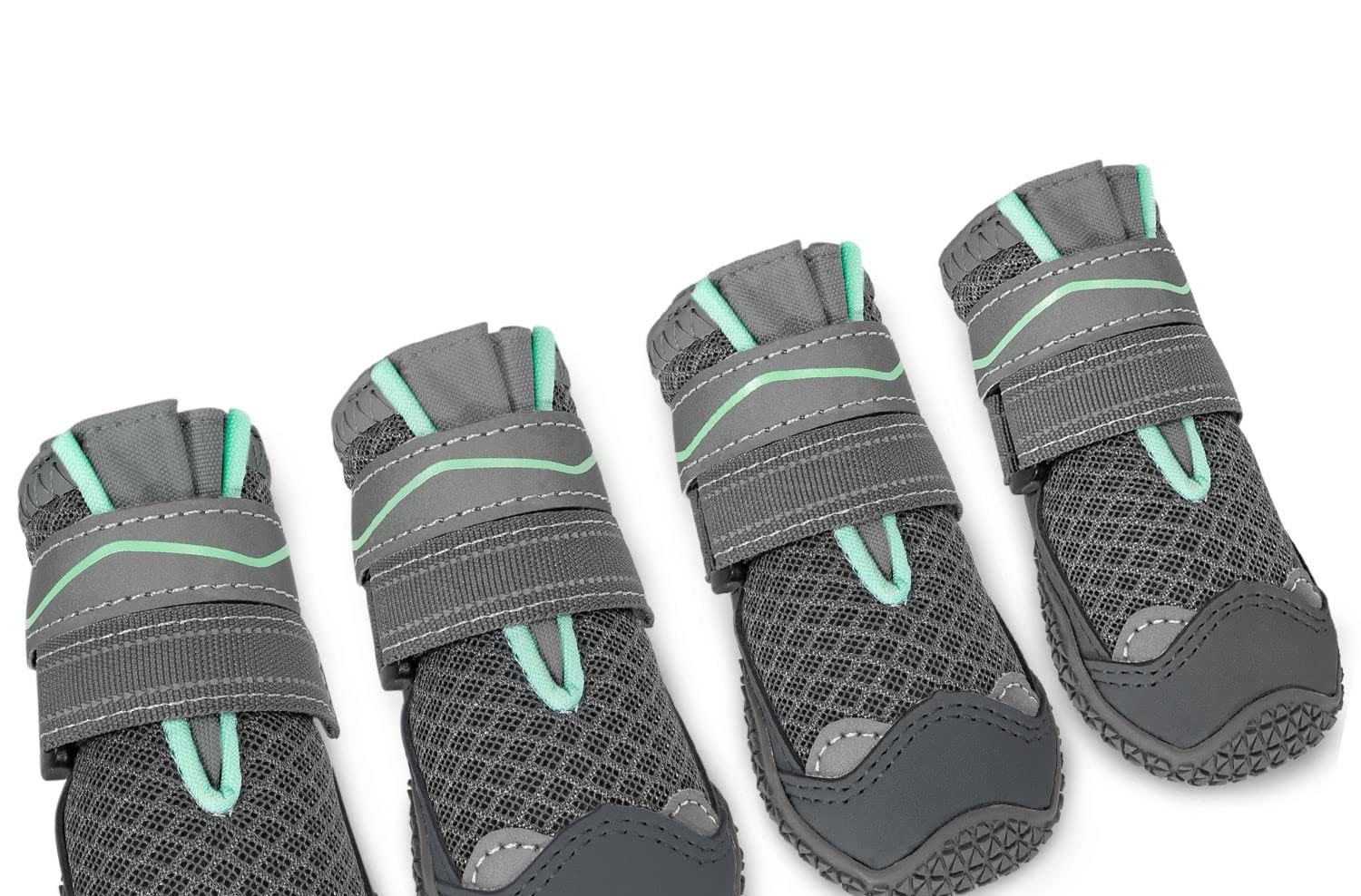
Non-slip paw shoes and socks can provide valuable support during rehabilitation. They help improve traction, protect paws from abrasions caused by dragging, and give dogs greater confidence as they rebuild strength and balance. For some dogs, especially those experiencing hind limb weakness or proprioception issues, the right footwear can make everyday activities safer and more comfortable.
Not every recovering FCE dog will require paw protection, but for those struggling with traction or paw dragging, quality non-slip footwear can become an important part of their recovery toolkit.
Why Paw Protection Matters During FCE Recovery
One of the most common challenges following an FCE is weakness or loss of coordination in one or more limbs. Many dogs experience:
- Paw dragging
- Knuckling (walking on the top of the paw)
- Reduced awareness of paw placement
- Difficulty standing on slippery surfaces
- Loss of confidence when walking
- Skin abrasions from dragging toes
Repeated dragging can quickly wear away fur, skin, and nails, creating painful wounds that can slow rehabilitation. Protective footwear acts as a barrier between the paw and the ground, helping to prevent injuries while your dog continues physiotherapy and strength-building exercises.
What to Look for in Paw Shoes for an FCE Dog
We’ve tested and researched numerous options to bring you our top 4 non-slip paw shoes.
Our carefully selected list includes shoes that offer excellent traction, durability, and comfort for dogs of all sizes.
Discover our top 4 for 2026
When selecting footwear for a dog recovering from a spinal stroke, traction and fit are the two most important considerations.
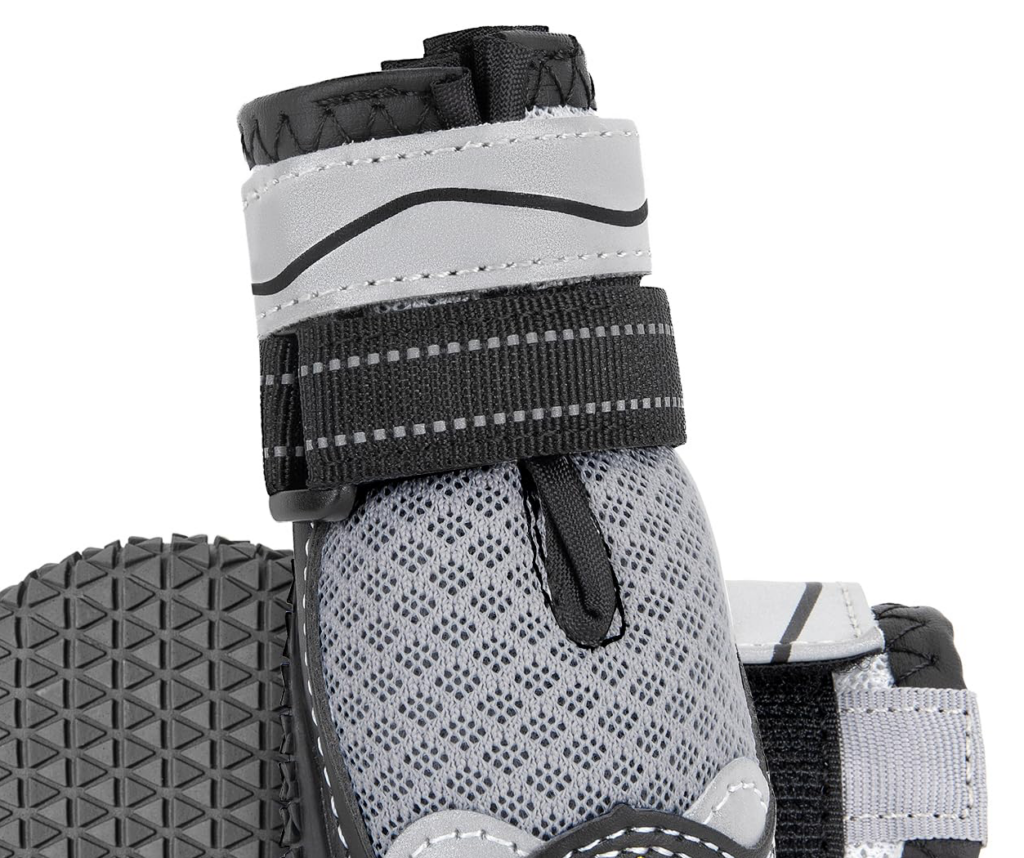
Excellent Grip
Look for rubber or silicone soles that provide reliable traction on:
- Timber floors
- Tiles
- Laminate flooring
- Concrete paths
- Outdoor rehabilitation areas
A secure grip can help reduce slips and falls while encouraging your dog to move more naturally.
Secure Fastening System
Many FCE dogs have altered gait patterns, meaning poorly fitted shoes can easily twist or fall off. Adjustable straps or wrap-around closures help keep footwear in place during therapy sessions and daily walks.
Protection for Paw Dragging
If your dog drags a paw, choose footwear with reinforced toe protection and durable sole materials. This extra protection can prevent painful scrapes and reduce wear on nails.
Lightweight Design
Heavy boots can make walking more difficult for dogs already working hard to regain mobility. Lightweight options often allow for more natural movement and reduce fatigue.
Breathable Materials
Recovery exercises can be surprisingly demanding. Breathable fabrics help prevent overheating and keep paws comfortable during longer therapy sessions.
Paw Shoes vs Paw Socks for FCE Recovery
Both options have their place during rehabilitation.
Non-Slip Paw Socks
Best suited for:
- Indoor use
- Hardwood and tiled floors
- Mild traction issues
- Senior dogs with residual weakness
Benefits include:
- Lightweight feel
- Comfortable wear
- Improved indoor traction
- Easy washing
Protective Paw Boots
Best suited for:
- Paw dragging
- Outdoor rehabilitation
- Rough terrain
- Dogs needing additional protection
Benefits include:
- Reinforced toe protection
- Greater durability
- Better outdoor grip
- Protection from hot or cold surfaces
Supporting Your Dog’s Recovery
It’s important to remember that paw shoes are not a treatment for FCE. They are simply a supportive tool that can make daily life safer and more comfortable while your dog works through their rehabilitation program.
Every dog recovers differently. Some regain mobility within weeks, while others continue to improve for months. The goal of non-slip footwear is not to replace therapy but to help your dog participate in it more safely and confidently.
If your dog is recovering from an FCE, consult your veterinarian, rehabilitation specialist, or physiotherapist before introducing footwear. They can help determine whether shoes or socks are appropriate for your dog’s stage of recovery and mobility level.
With patience, consistency, and the right support tools, many dogs affected by FCE can continue to enjoy active, happy lives long after their diagnosis.
Learn More About FCE
At FCE talk, we explore everything you need to know about Fibrocartilaginous Embolism (FCE) in dogs,
including symptoms, diagnosis, treatment, and recovery.